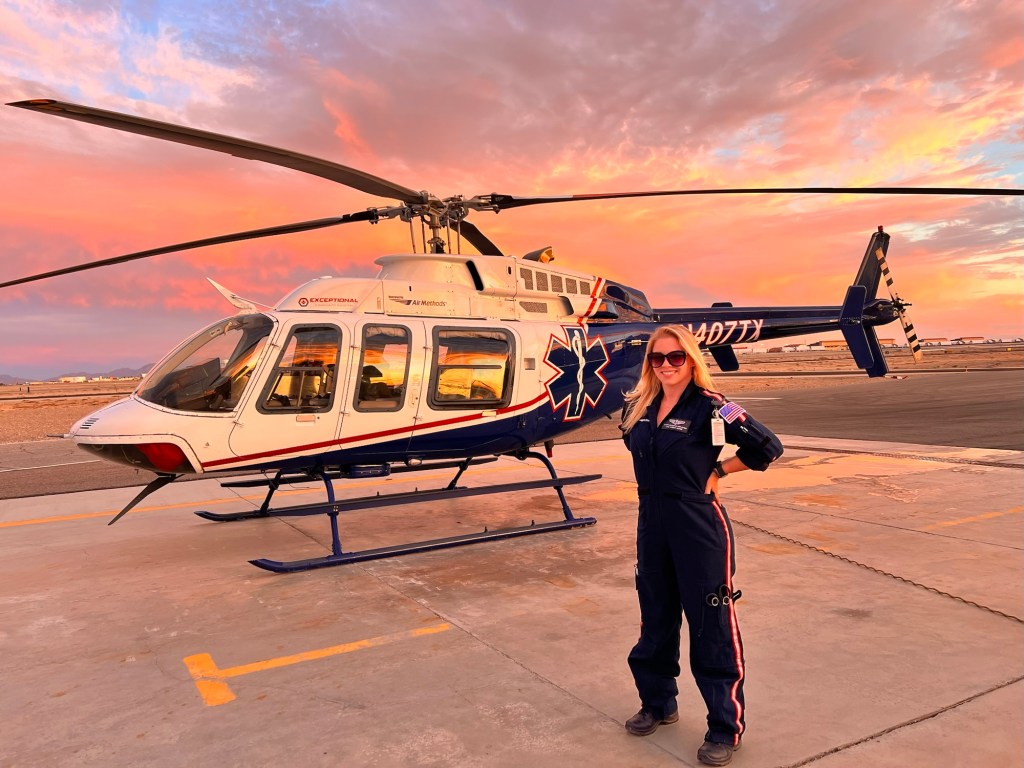
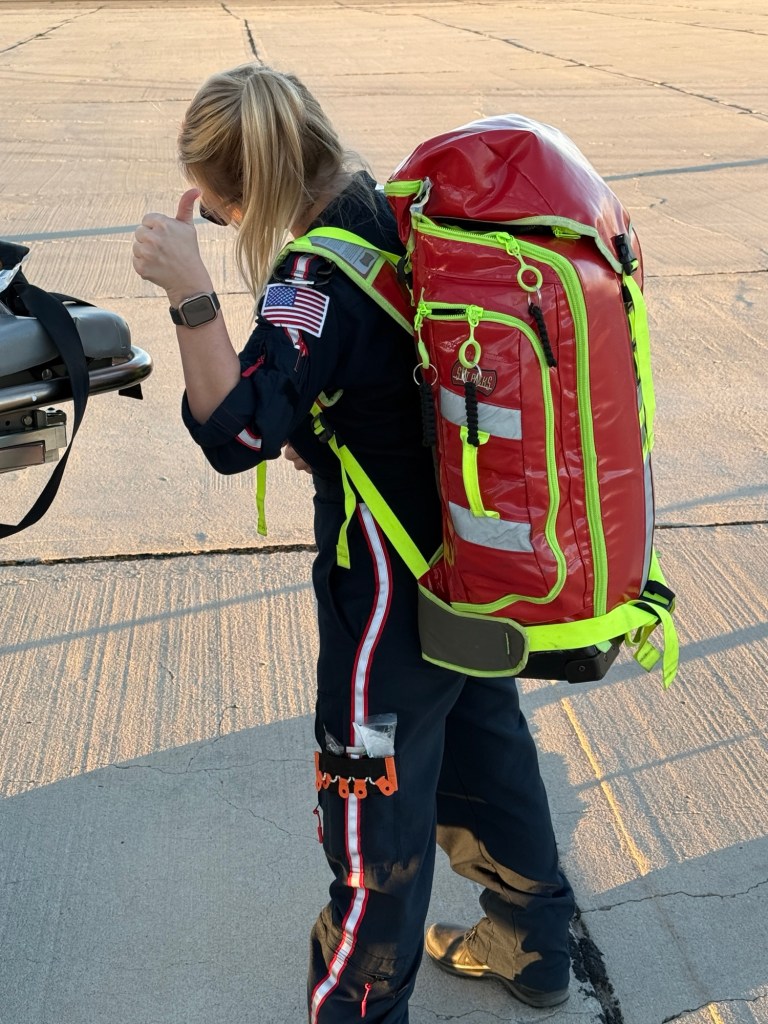
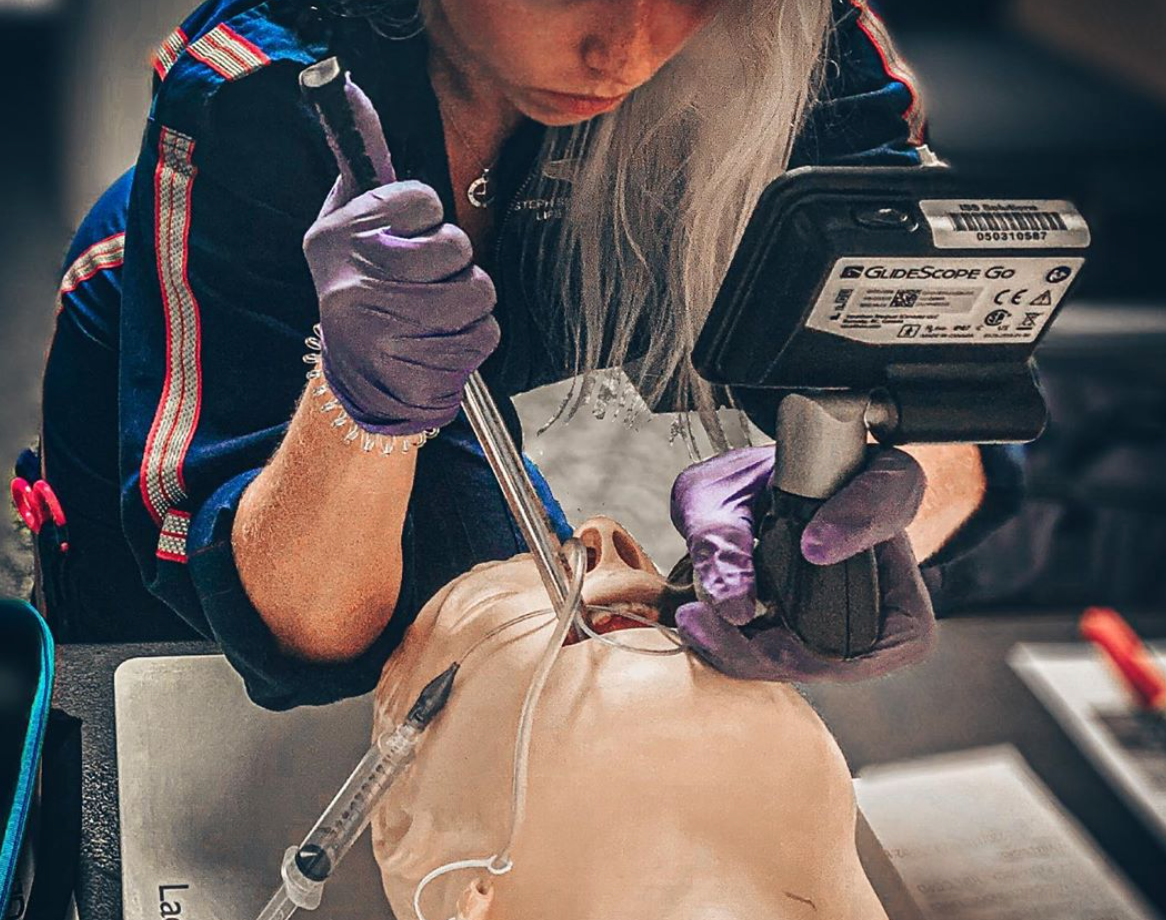
In Part 1 of this series, we discussed the things nobody tells you about surviving inside a flight suit. We covered hydration, swamp ass prevention, bathroom logistics, and other activities of daily living that somehow become significantly more complicated the moment you climb into a helicopter for a living. Now we switch gears to preparing for your 12 or 24/48 hour shift because one of the biggest surprises in flight medicine isn’t the medicine itself…it’s the lifestyle.
At some point you’ll discover that flight clinicians don’t all live the same existence. Some people work a shift and go home. Others essentially move into a base for one to two days at a time and slowly develop the survival habits of a mildly overprepared unhoused person. The longer you do this job, the more you realize that success isn’t just about taking care of patients but rather about taking care of yourself while living with coworkers, surviving sleep deprivation, and figuring out how to remain a reasonably functional human being after 21 hours of interrupted sleep and nothing but Uncrustables in your food pyramid.
This part of the guide is about that side of flight medicine. So let’s talk about Princess Shifts, Base Dragons, and all the questionable life things that happen in between.
A Tale of Two Flight Crews
One of the first things you’ll discover in flight medicine is that people can work the exact same job while living completely different lifestyles.
On one side you have the twelve-hour crews who I lovingly refer to as the Princess Shift people. Now before anyone gets OFFENDED (God Forbid), understand that I say this with both love and a sense of “been there and done that”. Princess Shift clinicians arrive at work carrying a lunch, a water bottle, and perhaps a healthy amount of optimism. They complete their shift and then return home to their own shower, their own refrigerator, their own bed, and a thermostat nobody else is allowed to touch. They are still members of society depending on when their 12s fall. These folks have “routines”. Their Yetis/Stanleys/Manleys/Fetis belong to them and their pillows have never been used by a stranger filling in from another base. It’s honestly adorable.
Then there are the rest of us: the 24- and 48-hour crews who eventually stop thinking of the base as a workplace and begin viewing it as a mildly dysfunctional second residence. They don’t just show up for work but rather move in because heaven knows once your car gets thrown into park, you won’t see the outside work except for transports until you punch out. And speaking of cars and from personal experience at some point your car becomes less of a vehicle and more of a mobile storage unit. You start keeping backup clothes, extra shoes, chargers, medications, snacks, pillows, blankets, and enough miscellaneous supplies to survive a moderate societal collapse. If 12 hour shifters are Princesses, the extended stay clinicians are more akin to dragons with a hoard of every possible thing they may need. They are akin to doomsday preppers.
The difference becomes obvious the moment you start packing for shift. Princesses need to survive the shift for the equivalent of your usual hospital shift while a 48 hour shift requires logistics. For example:
- Princess Shift people bring enough food for a meal or two whereas your base squatters bring groceries that are enough for a day or two and can withstand the test of time (or a crew who never makes it back with enough time to make a full meal). Non-shelf stable things sometimes just don’t hold up to the rigors of a busy flu-season shift.
- Princesses bring a phone charger and maybe one for their iPad or laptop. Long-haulers bring a charger, a backup charger, a backup for the backup charger, and a charging cable hidden somewhere private because they’ve been betrayed before and never saw their Apple brand iphone charger again. (Pro tip: if you bring extra chargers, never lend out your GOOD charger instead of the one from Five Below).
- Princess Shift people carry one energy drink or stop for a ✨Starbies✨. Dragon people have emergency caffeine reserves tucked away like Cold War fallout supplies– but the difference really lies in the timing of their consumption. Just enough to function but not enough to impede the obligatory safety nap.
The longer you work extended shifts, the more your packing strategy starts resembling disaster preparedness. Especially where I work in the desert, we have 24-hour gas stations but if you need a tampon or toothbrush its going to cost you a firstborn. Forget about a pharmacy as the closest one is 45-minutes away on a good day.
You begin asking questions that normal people never ask. How many pairs of underwear is enough for forty-eight hours (see Part 1 for my dissertation on flight suit swamp ass)? How many snacks will realistically survive until tomorrow (forget that moody avocado or banana). If civilization collapses, which energy drink should I drink first? Should I drink it at 2 am for that cardiac arrest we’re on standby for (knowing we could get cancelled)? Do I have a caffeine problem and where is the closest meeting? These are legitimate operational considerations.
The coping mechanisms differ too. One of the greatest advantages of a twelve-hour shift is that eventually you get to go home. Bad shift? Go home. Bad partner? Go home. Bad mood? Go home. Weird day? Go home. Intractable shits? Ew… seriously, go home, Typhoid Mary. The solution to many problems is simply leaving.
Those on 24 to 48 hour shifts don’t have that luxury. If you’re angry, tired, annoyed, overstimulated, or emotionally exhausted, congratulations….you’re still living with the same people. Sometimes for another twenty-four hours.* THIS creates an entirely different social ecosystem.
*If you have intractable shits on a long shift… GO HOME DAMMIT.
Every crew eventually develops its own rhythms. You’ll learn who needs caffeine before conversation (my ex-partner, Aaron) . You’ll learn who wakes up cheerful and immediately becomes everyone’s least favorite person (probably me somedays). You’ll learn who stress cleans, who stress eats (me), who stress naps (also me), and who stress reorganizes the refrigerator (my pilot, Jani).
You’ll also learn that every extended shift follows a surprisingly predictable psychological timeline:
- The first few hours are normal. Everyone is professional, polite, and is still pretending to be a functional adult.
- By that 3 am IFT things begin to deteriorate. The conversations become stranger, jokes increasingly stupid, someone develops a strong emotional attachment to a specific recliner or starts eating shredded cheese directly out of the bag (surprise, me).
My favorite is the fatigued dead-leg flights where entire philosophical debates emerge regarding whether cereal is technically a soup or hotdogs a sandwich (no and yes). Nobody knows how these conversations begin but everyone participates anyway. My partner, Tiffany, wants to make a podcast with nothing but our weird ass conversations in the aircraft.
By the final hours of your long ass shift, the crew often resembles a group of survivors who have been stranded together much longer than they actually have. The strange part is that this isn’t necessarily bad… probably not necessarily GOOD but not bad. Some of the strongest friendships in my life came from extended shifts…There is something uniquely bonding about sharing meals, call volume, exhaustion, turbulence going to Palm Springs, weird patients (and their associated awkward smells), and the occasional 3 a.m. existential crisis with the same group of people. Ya’ll see each other at your best and at your worst. You see each other after hourrrrssssss of sleep deprivation, three energy drinks, and one deeply questionable EMS room yogurt.
If you learn anything, its that there’s not much room for pretending. Eventually the professional masks come off and people become who they actually are. That’s when you find out whether you’ve got a good crew, nay…. a work family. And the funny thing is that most of us eventually start identifying with whichever lifestyle we work. Princess Shift people think the Base Dragons are insane while the Base Dragon think Princess Shift people are soft. Both groups are convinced they’re right and neither group is changing their mind because like…have you MET flight clinicians? Legit some are the stubbornest, most cannot be wrong people I’ve met. The truth is that both schedules have advantages and disadvantages: one just happens to require significantly more backup underwear (refer to previous post on underwear).
Ok, So We Established The Difference In Shift Culture… What Should I Bring?
When I first started working extended shifts, I packed like I was going to work at a 12 hour base plus a toothbrush and basic bedding. Somewhere along the way, I realized I was actually moving in. A twelve-hour shift is easy. If you forget something, you’ll survive. If lunch is disappointing, you’ll survive. If you don’t bring a charger, you’ll probably survive (or you’ll steal the work iPad one).
However, on a 24/48 shift forgetting things has consequences. Forget your charger and suddenly you’re rationing battery life when you’d rather be taking flight suit thirst traps. Forget your pillow and you’re spending two nights trying to sleep on something that reminds you of ’90s sleepovers where you used a bathmat for a blanket. Forget deodorant and your partner is now involved in a problem they didn’t create.
An if I’m being frank about my locker…we’ll call it a “Situation” …the amount of stuff you accumulate over time is honestly a little embarrassing. It starts innocently enough with a few extra things like an extra charger, spare socks, and a “not been used by someone else’s’ ass” towel. Then one day you realize you’ve got a dedicated drawer at the base, a backup toiletry kit, enough pepto bismol to stop up several elephants for a month, and a favorite coffee mug that would genuinely upset you if somebody else used it. Nobody plans for this to happen, it just does.
I think the biggest difference between the two schedules is that twelve-hour crews pack for the shift they’re expecting while the long shift crews pack for the shift they’re afraid they’re going to get because if flight medicine teaches you anything, it’s that eventually you’ll need the thing you left at home.
12 Hour Shift
- A decent meal
- At least one backup snack for when you can’t eat said meal
- Water bottle
- Phone charger
- Sunglasses
- Chapstick
- Ibuprofen or Tylenol (if youre a weeny)
- A spare pen
- A lightweight hoodie or jacket
- Wipes
- Hand lotion if you work somewhere dry
- Electrolyte packets in hot climates
- Backup caffeine for when the first caffeine fails
- A spare pair of socks
- A spare pair of underwear (you’ll understand eventually)
- Hair ties if applicable
- Gum or mints
- A small battery pack
- Something to entertain you if you get no calls
- Bedding if you’re on an overnight shift with the ability to nap
- Emotional Support Toothbrush
- Extra flight suit (because ick happens)
- Comfortable base shoes (boots get old)
24-48 Hour Shift
- Enough food for the entire hitch
- Extra snacks because your original plan was overly optimistic (preferably protein)
- Your preferred creamer
- Water bottle
- Electrolyte packets
- Caffeine
- Backup caffeine
- Phone charger
- Chargers for everything else
- Battery pack
- Medications
- Pain relievers
- Sunglasses
- Pillow from home
- Blanket/Sheets
- Hoodie/Jacket
- Comfortable clothes for after hours (including base shoes)
- Shower shoes
- Toothbrush and toothpaste
- Deodorant
- Dry shampoo (Women in hot conditions)
- Your own towel
- Chapstick
- Hand lotion
- Wipes!
- Preferred soap/shampoo
- Moisturizer
- Extra socks
- Extra underwear
- More extra underwear
- Hair ties
- Nail clippers/File (I break my nails a lot and it drives me nuts)
- Ear plugs
- Eye mask
- White noise app or machine
- Spare contact lenses or glasses
- Whatever hobby keeps you from staring at the wall whenever its the “S-word”.
The longer you work 24s and 48s, the more you realize comfort isn’t about luxury. It’s about reducing friction. A good pillow, a hot shower, fresh socks, and your favorite sweatpants can dramatically improve your outlook on life at 0300 after three flights.
Hopefully, this helps you figure out how to survive your shifts, no matter how short or long they are. At the end of the day, the work and the people we interface with can break you down. When you’re on base, find ways to practice self-care by ensuring your hydrated, you have something in your stomach, and you don’t feel like your socks will walk off on their own after a hot day.
A little bonus I am going to throw in is the weird things I have at base (or bring with me) that help me survive: My stuffed snow leopard. A body pillow. A heating pad (this is for those of us 35 years old and up). A small humidifier (‘cuz ‘Zona). Caffeine pouches in 100 and 200mg for late night calls. Hazelnut creamer. Oversized sweat pants. Fuzzy socks. My Kindle or current crochet project.
If you are an experienced flight clinician, what things do you bring to work to help make the difference for your well-being?
-Clear skies and tail winds!
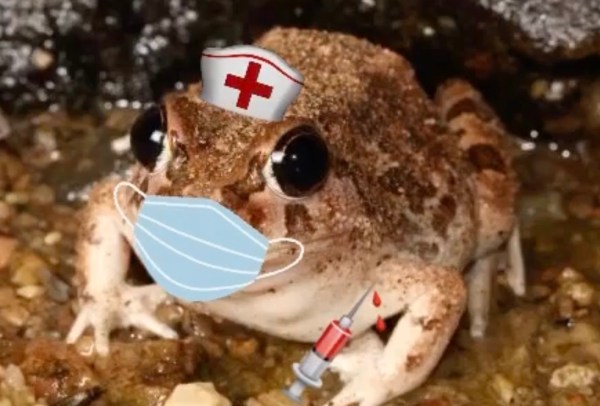 Patients will burn you despite you breaking your back for them. The pay will never equal the work some days. Lunches won’t come some days and your bladder will harden to that comparable to those weird frogs that hibernate for years in Australia (I pulled out that metaphor from somewhere…don’t @ me).
