This is part of a series I will tagline as A Retrospective from a “Senior” Flight Nurse. Years ago, as a shiny, new flight nurse I wrote about what it took to get me here. Many years have passed and with experience comes clarity. My goal with this new series is to guide you in your journey to the sky with both an optimistic albeit realistic view. I still maintain that if you want it, you can have it… but you need to learn what “having it” really entails.
Part 1 of this series discusses the hard questions you should be asking of your potential new flight agency.
There’s a weird culture in flight medicine where candidates sometimes feel like they’re supposed to sit quietly in interviews, smile politely, and just feel grateful somebody picked them. Meanwhile you’re interviewing for a job that involves bad weather/sleep deprivation, adrenaline/operational risk/trauma/complex medicine/living with weirdos for 12-48 hours at a clip, and occasionally trying to keep someone alive in what is essentially a loud flying portapotty.
You should absolutely be asking uncomfortable questions. Not rude questions. Not gotcha questions. But honest ones because here’s the thing nobody tells you early on in your career: every flight program has problems. Every 👏single 👏one. The important part isn’t whether issues exist but whether or not leadership is aware of them, HONEST about them, and actively trying to improve them. If an agency can’t tolerate respectful questions during an interview, imagine what happens when you raise concerns after they hire you.
The shiny helicopter, cool flight suit, and social media ✨aura✨ are the easy parts to sell. What’s harder to see from the outside is the operational culture underneath it all. Are crews supported when they decline unsafe flights? Is staffing chronically held together by caffeine, empty promises and incentive pay? Do clinicians feel respected? Is leadership visible? Are people leaving for normal life reasons… or sprinting for the exits because glossed over problems ?
An interview is not a beautypageant where your only job is to impress them rather you are interviewing them too. Frankly in this industry your safety, license, mental health (what’s that?), and quality of life depend on it.
So if I were giving advice to someone walking into a flight interview tomorrow, these are some the uncomfortable questions I’d tell them to ask and if not asked in an interview, they are things I’d want to know before accepting a position. Read on at your own risk 🙃
Here are some hard but (IMHO) fair questions candidates should consider asking about their potential new employer:
Safety Culture & Operational Pressure
Because “safety first” is easy to print on a glossy poster but the real question is what happens when somebody actually says ‘no” to a flight. Flight medicine lives in the uncomfortable intersection of risk/ego/weather/fatigue/production pressure. You want to know whether this company truly backs their crews making conservative decisions… or weather they only endorse safety until it delays a revenue flight.
- “Can you give me an example of a time your crew declined a flight for safety concerns, and how leadership responded?”
- “What is your process for handling operational concerns brought up by pilots or clinicians who speak up?”
- “How often are crews pressured, directly or indirectly, to complete borderline weather minimum flights?”
- “What trends have you identified in your recent safety reports or ASAP reporting?”
- “How does your program balance completion pressure with risk management?”
- “What does your Just Culture process look like for your team?”
- “What operational decisions changed after your last major safety event or near miss?” (This is a good thing to research about the program before even interviewing— major events often are public knowledge and heavily covered by media).
- “What is your current fatigue mitigation strategy for crews?”
- “How often do crews formally debrief difficult or high-risk missions?”
Leadership & Organizational Honesty
Every company says they’re family until staffing gets weird and suddenly Daddy Corporate starts acting stingy. Leadership culture matters because it trickles all the way down to the frontline; if you’ve been in healthcare before, you already know this. If leadership can’t openly discuss their weaknesses, the turnovers, or crew frustrations during an interview, imagine how transparent they’ll be during an ACTUAL operational problem.
- “What do you believe is the biggest contributor to staff turnover here?”
- “What would your current crews identify as the largest dissatisfier in the program?”
- “What feedback do you hear repeatedly from exiting employees?”
- “How visible and accessible is leadership to line crews?”
- “How does leadership respond when a clinician disagrees with an operational decision?”
- “How often do frontline clinicians participate in policy or protocol discussions?”
Clinical Expectations & Support
Some programs advertise themselves like you’re joining a high speed/low drag hoodrat-sh!t medical unit but then you spend 90% of your life transferring stable UTI patients at 2 a.m (no drips, no specials, no fun). There’s nothing wrong with that but candidates deserve honesty about what the job actually looks like. You also want to know whether the agency truly supports clinical growth or just expects you to somehow maintain high-acuity skills through ✨vibes ✨ and annual competencies.
- “What types of calls are your crews realistically flying most often?”
- “What skills are expected frequently versus theoretically?”
- “How are low-frequency, high-risk procedures maintained?”
- “How does your program support clinicians after particularly traumatic calls?”
- “What is your orientation failure rate, and what usually predicts success here?”
- “What continuing education is actually protected time versus expected on personal time?”
- “How much autonomy do crews truly have in clinical decision-making?”
- “What are your expectations regarding scene response versus interfacility priorities?”
Staffing & Burnout
Fatigue in this industry gets romanticized waaaaay too much. People joke about being “chronically caffeinated raccoons,” but exhausted clinicians make mistakes and mistakes can kill people. Burnout doesn’t usually happen because of one bad call; it happens because of chronic short staffing, constant OT, poor sleep, lack of support, and feeling like leadership sees you as a pulse with a license.
- “What percentage of your open shifts are currently filled with overtime or incentive staffing?”
- “How often are crews held over shift?”
- “What is your current vacancy rate?”
- “What does scheduling flexibility realistically look like?”
- “How long do clinicians typically stay here?”
- “What differentiates the people who thrive here from the people who leave?”
- “How often are crews working short or without ideal staffing?”
- “What systems are in place to prevent burnout besides pizza and woo-woo online learning modules?” (For the love of God dont invoke pizza party protocol in your interview..Actually, maybe just ask what systems are in place to prevent burnout… stop there).
Aircraft, Equipment & Resources
Nothing builds character quite like fighting broken equipment in the back of a vibrating tin can while somebody’s blood pressure actively leaves the chat (we’re cooked). Equipment issues aren’t just annoyances in transport medicine; they become patient care issues very quickly. Candidates should know whether crews feel heard when they identify problems or whether maintenance requests disappear into the corporate abyss of “we’ll look into it”.
- “How quickly are maintenance concerns addressed?”
- “What equipment issues frustrate crews the most right now?”
- “How old is your fleet, and what modernization plans exist?”
- “How often are aircraft swapped or downgraded operationally?”
- “What equipment limitations most commonly affect patient care?”
- “How much clinician input exists in equipment purchasing decisions?”
Compensation & Retention
Wanting to make the world a better place doesn’t pay the mortgage and neither does “passion.” Flight clinicians are highly trained specialists working in one of the riskiest environments in civilian healthcare. So asking about compensation and retention isn’t greedy-it’s adult behavior. Also, programs that retain experienced clinicians usually have a reason just like programs that constantly hemorrhage staff also probably have a reason….
- “When was the last major compensation adjustment for crews?”
- “How does the company address retention beyond sign-on bonuses?”
- “What career growth paths realistically exist here?”
- “What percentage of leadership previously worked line positions in this program?”
I feel like managers and recruiters are going to hate me for this advice— but it matters. It’s mattered in my personal experience and there is an industry wide conversation on many of these factors. That being said…you can usually tell within 30 seconds whether an agency has insight… or just rehearsed talking points. A healthy program won’t expect blind loyalty and it’ll respect informed skepticism.
That being said: I’m not telling you to go in and get a cocky industry know-it-all. When I bring these questions up, I’m not doing so to make you feel like you need to fix a company’s problems— and really trying to exam culture and safety can come off as aggressive if you don’t handle it tactfully and with respect. These types of questions are meant to help you get a feel for if this company will value you as you value it. So don’t go in like a jerk but rather than a clinician with discernment.
Finally, I encourage you all to remember this: there’s no greener grass, just different dog shit hiding on the lawn. It’s up to you to decide which dog shit you’re willing to tolerate (me: chihuahua sized and not those weird fossilized white dog turds).
-Clear skies and tail winds!
Because I know yall are heathens… here’s the too long; didn’t read.
TL;DR: Candidates in flight medicine should interview agencies as hard as agencies interview them. Ask directly about safety culture, turnover, fatigue, staffing, leadership transparency, operational pressure, and how crews are treated when they say “no.”
Are you an experienced flight clinician? Add your hard questions below!
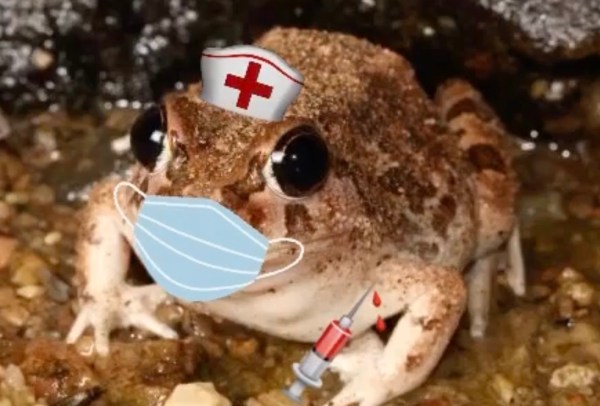 Patients will burn you despite you breaking your back for them. The pay will never equal the work some days. Lunches won’t come some days and your bladder will harden to that comparable to those weird frogs that hibernate for years in Australia (I pulled out that metaphor from somewhere…don’t @ me).
