Spoiler: It’s not just you.
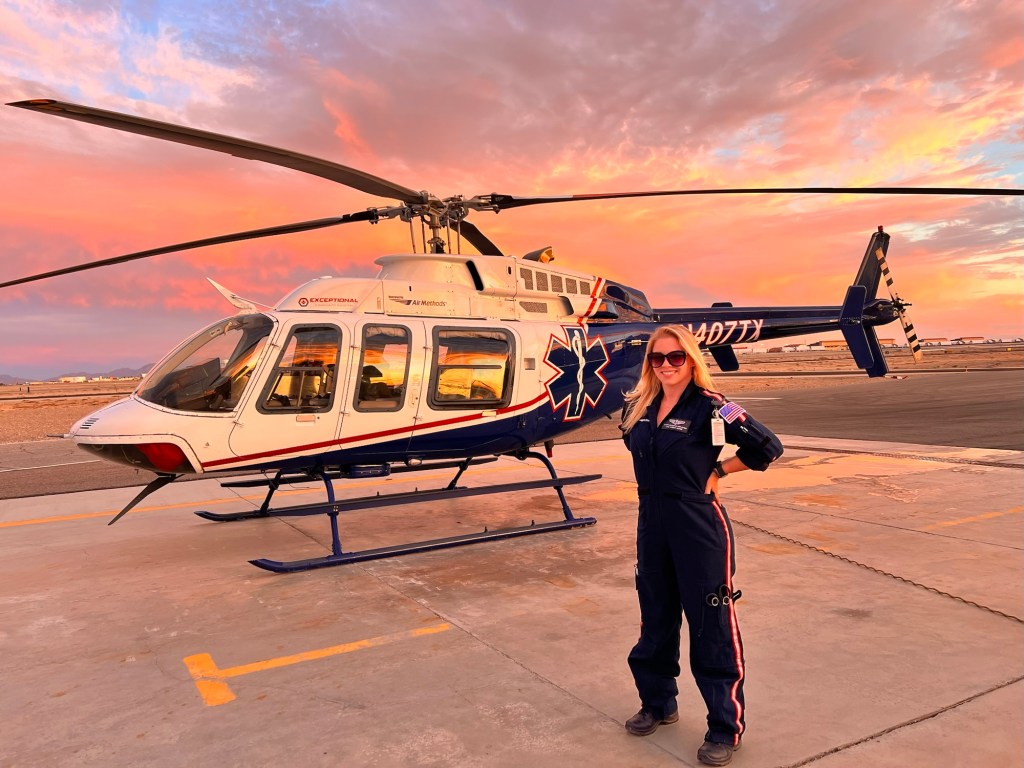
I remember when getting into flight nursing felt like chasing a unicorn while carrying a 12-lead and an arterial line setup. It was the elite club of critical care, the badge of honor you earned after years in the trenches, a hundred code browns, and more night shifts than the moon. You needed ICU cred, trauma street smarts, the ability to start an IV in the dark (with turbulence), and preferably a personality that didn’t crack under pressure, or in the co-pilot’s seat.
Now? Blink twice and someone’s in a flight suit with just the minimum required experience and a freshly laminated NRP card.
What. Is. Happening.
Okay, let’s talk about the pandemic-shaped elephant in the room. COVID didn’t just shake the snow globe, it shattered the whole thing. Healthcare was gutted, burned out, stretched thin, and then duct-taped together again. Experienced nurses left in droves, either because they couldn’t take another shift in PPE or they realized their lives were worth more than their paychecks (wild concept, right?). And just like that, the flight industry, already a small, specialized corner of nursing, was desperate.
Enter: lowered barriers. Don’t get me wrong, some of the newer folks coming in are absolutely incredible. Passionate, smart, adaptable. But the truth is, the bench just isn’t as deep anymore. So programs that once required five years of ICU, a resume written in Latin, and a letter of recommendation from the ghost of Florence Nightingale are now hiring with, well, let’s just say a little more flexibility.
Orientation programs got longer. Clinical ride time got shorter. Preceptors are working overtime trying to build experience that normally takes years because it has to happen now. And while this isn’t about blaming individuals (again, a lot of these nurses are stepping up big time), it’s worth asking: what does this mean for safety, patient outcomes, and the long-term health of the flight community?
Honestly? It’s a mixed bag.
On one hand, the door being slightly more open is awesome for motivated nurses who’ve dreamed of flying but didn’t want to wait a decade and sacrifice a goat under a full moon to get there. On the other hand, there’s something a little nerve-wracking about seeing the steep learning curve of flight medicine get compressed into a crash course, literally and figuratively.
Flight nursing isn’t just sexy uniforms and skyline selfies. It’s knowing how to titrate pressors, dose the sedation, all while troubleshooting a failing vent at 3,000 feet. It’s recognizing when your patient’s going south and there’s no code team to back you up, just you, your partner, and whatever fits in that aircraft. And let’s be real, there’s a difference between being “trainable” and being ready for a patient actively trying to die on you mid-air.
So yes, it’s easier to get in right now, but that doesn’t mean it’s easier to stay. Flight nursing still demands the same resilience, critical thinking, and ability to function with one eye on your patient and the other on your altimeter. The pressure is just distributed differently now, and it’s often falling on the backs of experienced preceptors and med crew trying to bridge the gap.
In the end, the skies may be a little more crowded with new faces, but if we nurture them, teach them right, and don’t skip the hard conversations, maybe this next generation will carry the torch with just as much grit and grace.
And if not? Well, I’ll be the one in the corner muttering about “back in my day” while re-taping an IV mid-flight.
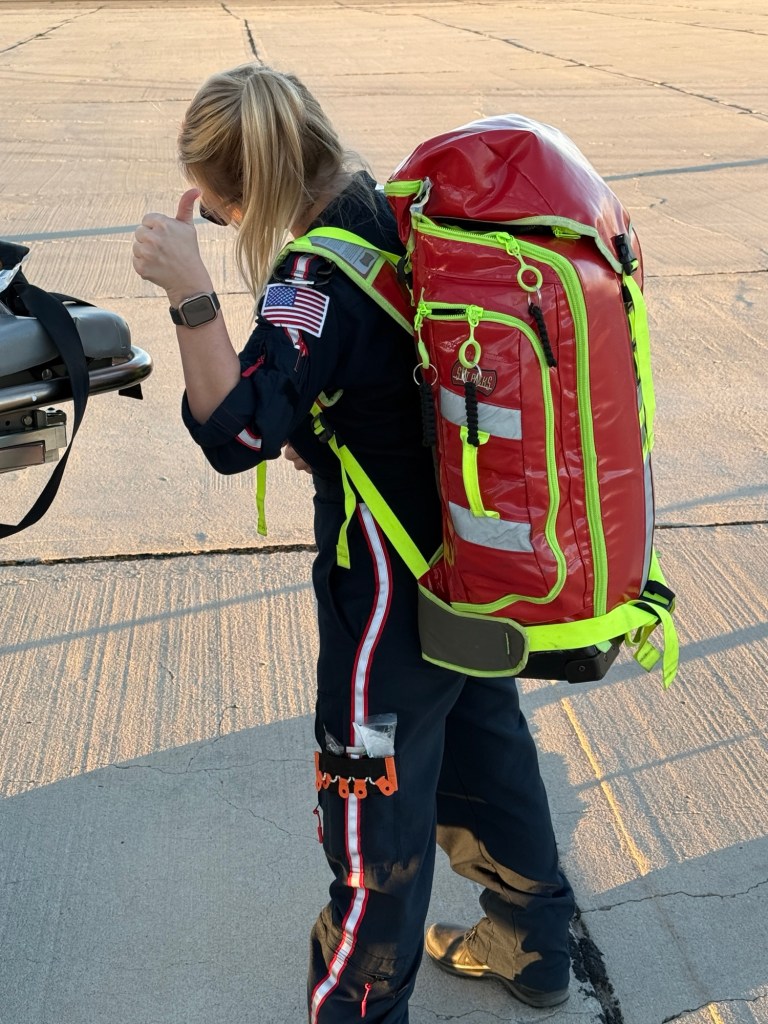
 Patients will burn you despite you breaking your back for them. The pay will never equal the work some days. Lunches won’t come some days and your bladder will harden to that comparable to those weird frogs that hibernate for years in Australia (I pulled out that metaphor from somewhere…don’t @ me).
 Scrubs n' Sirens