Give Me The Resilient Failure– Why ‘Gram Doesn’t Show The Whole Picture

Who has seen my Instagram? (It is right hereeeeeee SHAMELESS PLUGGGGG)

From the outside looking in, my life looks pretty damn charmed. Right?! Solid marriage with a great husband, cute dogs (and I guess an ok cat), beautiful home, amazing/successful career, world traveler, up and coming social media savant (as I’ve been told), and getting my fitness into shape after a life of feeling like an ugly duckling.

Social media has a way of allowing us to create the picturesque dreamscape of a life–complete with vibrant filters and floating hearts as our followers flick their thumbs over the images in the “like” gesture as they move on to the next glamour shot. People sit in the quiet of their living rooms, pondering how mediocre their own lives, spouses, or careers are in comparison to these online personalities of their friends’ or families’ or favorite influencers’ and wonder how they went so wrong. But they forget that the internet is a series of smoke and mirrors; often the whole truth is veiled behind thin half truths or outright lies.

Too often, we lack the entire story. We miss out on the means and simply see the ends.

As a result, our own triumphs seem shadowed by those of others because we see only their “good things” and never the bad. However, it’s really the survival of the bad that defines who are when we get to our “good thing.”

So I’m here to tell you this. No person, no matter how picture perfect they may seem is perfect and honestly, I’d rather the person who has been through hell and back over the person who has never struggled a day in their life to take care of me. Give me the single parent, the child of drug addicted parents or even the survivor of drug addiction, the veteran who has seen war and death, the medical student who struggled through school because of finances, the nursing student who might’ve failed out once before getting his life straight… I want the person who has known what is like to have failed.

I am positive many of my readers have heard the analogy about broken bones… well we know that there is a modicum of truth to the saying. After a bone is broken, the area the bone is broken grows back stronger. Now, we won’t debate the actual physiology in this statement but we’ll use it for this illusion.

simple-broken-bone-line-icon-symbol-and-sign-vector-17307286

When you go through hardship, one of two things can happen…

  • You succumb to the failure.
  • You accept it, learn from it, grow from it, move forward.

So when the bone breaks, you can either reset it and allow it to heal and grow back stronger or you can leave it mangled and useless. The choice is yours.

People who choose to heal are those people I prefer as my colleagues because they have a great deal of traits consistent with emotional resiliency. These people are forged in fire. Like steel, they are strengthened by the flames.

What is resiliency, though? It is the rubber band of our constitution. It is our capability to bounce back. By definition, it is our ability to mentally or emotionally cope with a crisis or return to our pre-crisis state quickly. It is our ability to mitigate the negative effects of external stressors on our internal psyche. For some, this may be a native skill while others had to adapt over time when exposed to crisis. Further, it is important to note, the definition of crisis isn’t static–crisis to one person can be an entirely different meaning to another. It simply means that it creates great potential for suffering for an individual and because of the dynamic natural of humanity, the spectrum of what constitutes a crisis is broad. What matters, is how does the crisis affect a person and how to they cope with it. Overcoming the crisis dictates their resilience.

Think of a time you had a problem. One that caused you great emotional turmoil. How did it make you feel? I’m sure the first thing you felt was your heart rate go up. You could feel the flutter in your chest. Maybe your stomach felt strange. A sweat on the back of your neck. Your respirations may have increased. Stereotypical fight or flight mode. The surge of the epinephrine as the sympathetic nervous system activated. Your brain racing.

And then as the crisis settled, the tiredness. The concerns. The replaying of the scenario. The planning. The promises to yourself. The criticism of your actions. The blaming of yourself or others. The regrets. Maybe instead the pride in your work or your team mates. Or maybe simply…nothing at all.

More time passed. The feelings abated. Each feeling you went through felt a little less intense. You remembered the take-aways but the FEELINGS associated with the event were less sharp.

Resilience. You got through it. You survived whatever that thing was.


What Do I Know About Survival?: A Series of Unfortunate Events

For me, it was a series of years where I wanted to quit. My childhood wasn’t necessarily hard but at times it wasn’t easy. My parents loved me, there was no question about that but at times it did not always seem like they were ready for me. My father struggled with his own demons throughout my life while my mom, still young and developing her own career, had me unexpectedly. Their relationship was tumultuous at times given the circumstances but ultimately, they seemed to figure it all out. They saw the best in people, despite their sometimes questionable backgrounds–it is a trait I carry on myself, one that sometimes gets me burned in the end.

As a teenager, I was sexually assaulted over the course of a few year relationship and struggled heavily with my own issues with depression and anxiety. I fought constantly with my parents, as teenagers do. It is a joke I like to make that I was often grounded more than I wasn’t simply because I bucked against my dad a lot. Even in my teenage years though, I had a great work ethic often working at minimum 2 jobs from the time I was 15, sometimes 3 or 4 depending if a previous employer needed under the table work or a babysitter.

Towards my later teenage years, I went through a devastating breakup with the first real love of my life and needed something to take my mind off that. So I decided to enroll in EMT class. I had an interest in medicine and figured it would be a great way to start off a career. Well… I didn’t focus and failed about a handful of weeks in. I was humiliated. I asked the instructor to audit the course for the rest of the semester despite the fact I wouldn’t be able to test with my class mates and although it wasn’t typical, he allowed me to. I re-enrolled the next semester and had one of the highest cumulative averages. And this was the entire foundation for my flight career later in life.

Getting to college, I thought I was in for a fresh start. I got to Philadelphia to a fancy (and expensive) private Catholic university where I was starting as a pre-med major with 20+ credits my first semester. I was excited to pledge a sorority, play rugby, and make new friends. But soon that changed. My boyfriend back home guilted me about going away to school “for a piece of paper”. My friends got me into heavy drinking and drugs. My depression started to rear its ugly head again until I completely stopped leaving my room, going to class, and even eating. None of my professors even noticed my absence. It wasn’t until my suicide note was discovered the day I had planned to hang myself in my dorm room that I was noticed. It was almost 2 weeks I had been missing from classes.

I was taken to the Dean’s office by security. I was delirious from not eating or drinking for days, messy from not showering for days. I was being grilled questions I couldn’t answer. I just wanted to sleep. I was driven to a hospital and taken into an emergency room where there were white walls, lots of windows into patient rooms, and patients were yelling. I was put into a room with only a bed, bolted to the floor. A physician’s assistant came in to speak with me–when I asked for my mom, she ignored me and asked me about my period. When I told her I didn’t know when my last one was (because I had no idea what day it was and because my birth control was messed up), my response was “you’re 18, how do you not know when your last period was? Stop being obtuse!” And she walked out.

It was cold, I wasn’t given a blanket. The older man in the room next to me kept staring at me through the glass. I was alone. I was being involuntarily committed to a psychiatric facility but luckily I was given the option to voluntarily ask for help, which I did. I spent over a week getting treatment and while I never would want to do it again, it saved my life, and I am so thankful it did.

I returned to school in the spring with another 20 credits but all in all, my freshman year of college, of the 40+ credits I took, I passed 4 of them. It was a humiliating and expensive experience. But it was a lesson. It was a growing pain. A broken bone.

The next school year, I transferred to a technical college in Central Pennsylvania and lived at a firehouse. In exchange for running ambulance calls at night, I received free room and board. I ditched the unsupportive, going nowhere boyfriend and met my now husband. I started coursework in a paramedic program and my grades were  getting better. Not quite great yet, but I passed everything. I was much happier. I changed majors again to nursing the next year.

Then in 2010, the night before a major anatomy and physiology exam, I wrecked my car. I had just dropped my boyfriend off to pick up his vehicle at the mechanic and was driving home on the highway. We had finished a fire company meeting; I was tired and wanted to get to sleep for my exam in the morning. I will never know the events leading up to the crash because I had lost the memories of days prior to the event, but my car went off the roadway, rolled 6-7 times, and came to a rest down a steep embankment on its roof. From the highway, the car was completely invisible.

My boyfriend had made it home and saw I wasn’t home yet despite leaving a few minutes before him. He received a phone call from me, my voice panicked stating “I don’t know where I am and there is blood in my ear.” Of course, I didn’t call 9-1-1, I called him. He told me to hang up and call 9-1-1. He called 9-1-1 to tell them where he thought I could be and I also called. Units went up and down the highway looking for me for a while. I was found by a fire police unit as I was walking down the road, bloody. I was repetitive–stating the same things over and over.

Screen Shot 2020-02-20 at 10.21.51 AM

I was admitted for a brain injury for a few days with a minor basilar skull fracture. To this day, I still don’t remember the days before the accident or about 10 days after. All I remember is vaguely seeing the grass and sky in my windshield as I rolled, loud metal noises, and screaming and pressing my horn into the hillside. Needless to say, I got a D that anatomy exam–it was bone and muscles and I had forgotten a week worth of material.

It seems like a lot, right? But not too much…? There was more…

I did ok for a few years. My grades got better. I was starting to see more As than Bs. I simultaneously loved and hated nursing school (much like everyone does).

In May 2013, I woke up to go to work at the hospital where I was a patient care technician. I had noticed my left hand and arm were numb. I figured I slept weird on it and ignored it–I was running late. I got to work 15 minutes later, noticing the numbness and tingling had spread quickly and intensely through my entire left side. I looked over to my care coordinator to ask if she had ever experienced anything like this. I opened my mouth to ask her and as I started to try to speak, I felt my entire left side of my face start to slide and go numb. The words coming out of my mouth weren’t making sense. I blinked and tried to ask again because she looked confused. I tried to lift my left hand up to touch my cheek and couldn’t move it. It all went black as I hit the floor… distantly, I heard the rapid response called overheard.

And then I opened my eyes and I was in the ER with a chaplain speaking to me. The stroke cart was being wheeled into the room. I knew the nurses from bringing patients in on the ambulance. The doctor was asking me questions about times and asking me to move things (why can’t I move that?). My manager was standing there on the phone with my husband (we had gotten married that year). They were talking to me about TPA.

I’m 23… what do you mean you think I’m having a stroke? Yeah lupus runs in my family… shit… my words sound jumbled… I’ll shake my head yes and no. There is my husband. Yes… birth control–I take that. No… don’t smoke. Yes–give the TPA. Yes–fine, fly me to that hospital.

Screen Shot 2020-02-17 at 10.32.15 AMIt happened so fast… before I knew it, I was being loaded into a helicopter. I was in the air flying over my city. I was 80 miles away in another CT machine, getting more IV contrast. I was in an ICU bed. I wasn’t allowed to get up to pee. I could talk now though–that was a plus. My mom lives ten minutes away, at least I wouldn’t be alone but it would take my husband almost two hours to get to me if he drove the speed limit. I spent three days in the Neuro ICU while they ruled out causes and sent me home on medications. I was treated for a stroke but they determined that the cause wasn’t ischemic but rather related to more electrical/migraine activity. It was strange, I’ve never even had a headache. Who knew a migraine could be so scary?

I got better and spent the summer in Minnesota, leaving a few weeks later. It was between my Junior and Senior year so I had secured a spot in the Mayo Clinic externship program for 10 weeks on a trauma floor. I still had weird neurological symptoms all summer long but was still titrating off of medications for it. I tried to down play it and focus on what was to come.

I came home a bit smarter and ready to finish nursing school with a bang. I was beginning to look at jobs and apply for interviews, it was my goal to have an offer by January. I was spending my free time studying and applying. My grades were looking very good. I was the public relations officer for SNA and it seemed like everything was going my way.

Until my husband’s birthday. My husband came home to find me in full tonic clonic seizure activity on our kitchen floor. Never had I had a seizure until that day and in the span of a handful of hours, I had three separate events. I was admitted and started on an anti-epileptic medication. Over the course of the school year, I had multiple events resulting in admissions to the hospital and the intensive care unit, multiple titrations of medications, multiple visits to neurologists, multiple eegs. I thought this was going to be the year I had to drop out. My medications had me so unable to focus and I had missed so much class there was no hope to graduate. It was by sheer will and determination and the grace of my instructors to help me work around my diagnosis that I was able to pass that year.


So What Does This Have to Do With Anything? You Grow Through What You Go Through.

Resilience is how you come back in the face of adversity. When dealt a hand, how will you respond? It is easy to look at a person on Instagram or Facebook who projects a perfect picture and say “I will never be him or her… they’re perfect.” However, this discredits our own ability to achieve our goals way too much. The images we see only show partial truths.

The problem social media has is that we only see half the truth or none at all. We see what people want us to. We see perfectly choreographed pictures meant to endorse an idea. Often that idea is “I made it!” It is not always that people want YOU to feel inferior but that they want to feel better about their own lives, so they create their own narratives. They present their autobiographies in a more palatable way.

Me? Guilty. Guilty AF. Put me away, Judge.

However, now you know that behind the perfect picture is an imperfect person–and quite frankly, they are my favorite types of people. To get where I am, I had to constantly get thrown several steps backwards and then fight my way forwards every time. But every time I had to face adversity, it taught me how to problem solve and how to use my resources. As cliche as it may sound, what didn’t kill me made me stronger. It shaped my ability to be resilient.

Screen Shot 2020-02-22 at 9.39.48 PM


What Does Resilience Do For You, Then?

So let’s talk about traits emotionally resilient people have and why nurses or pre-hospital folks or really anyone in medicine or emergency response can benefit from it.

  1. They practice good self-care.
    • Part of dealing with other people’s crises is learning to be able to know when it is time to put that burden down and focus on yourself. Understanding that you are one person and can only save the world once your mind, body, and spirit are cared for is something many people never learn. As a result, they burn out or develop vices to deal with the ugliness of the world. They inflict more harm on themselves in an effort to stop the emotional hemorrhage.
    • “Make it a priority to create a homeostasis (a baseline) for yourself–then take time to bring yourself back to that place. Care for yourself so you can care for others.”
  2. They understand bad things don’t define them.
    • At any time, something can go wrong–whether it is simply because Mercury was in retrograde or because you over-estimated your own abilities or because you took a short-cut when you shouldn’t have. Regardless, a bad thing happened. Now what? Well… how do you move on? Do you continue to make the same mistake, allow the worse thing to continue to dictate the circumstances of your life or do you control the narrative? We cannot always control what happens but we can control what we do after the fact. Do we run and hide, pretend it isn’t happening, or do we face it, learn from it, and come out better? We are defined by how we REACT to the catalyst, not necessarily by the catalyst itself.
    • “If it doesn’t matter in five years, don’t let it bother you for five minutes.”
  3. They treat others with compassion.
    • Empathy is the ability to understand and share the feelings of another. It is considered a more noble feeling than sympathy in that it puts two people on level playing ground as sympathy is defined more of feeling pity for someone. Some people feel this is a form of being looked down upon when you already feel low. People with emotional resilience understand what it is like to be low–thus they feel compassion. They do so in a manner without judgement–they understand what ugliness and hurt looks like. These are the people we serve as emergency responders and healthcare providers. We see humanity at its worst thus they need us to show humanity.
    • “I see you because I was you…”
  4. They understand what it means to “race in the rain”.
    • Life will never be perfect–the emotionally resilient have learned this. Things will go wrong. Train for the worst case scenario but hope for the best. Accept that things are in flux and are dynamic. Expect the unexpected and make the best of that. Emergency medicine and first responders are ideal examples of this concept.
    • “…grant me the serenity
      to accept the things I cannot change;
      courage to change the things I can;
      and wisdom to know the difference…” –Reinhold Niebuhr (1892-1971)
  5. They admit when they need help.
    • Being first responders and healthcare providers, we are expected to be proficient in problem solving and critical thinking, swift on our feet, and courageous in the face of adversity. However, it is important we acknowledge our short-comings both in knowledge and in coping. We need to know to ask for help when lives depend on us, including those times when our own lives depend on our abilities to admit we need help. Every year, more and more first responders and healthcare providers succumb to the darkness of their jobs rather than admit their perceived weaknesses and every life extinguished is one too many.
    • “From what I’ve seen, it isn’t so much the act of asking that paralyzes us–it’s what lies beneath: the fear of being vulnerable, the fear of rejection, the fear of looking needy or weak. The fear of being seen as a burdensome member of the community instead of a productive one. It points, fundamentally, to our separation from one another.” –Amanda Palmer
  6. They know when it is time to listen, when to be supportive, and when to allow for space.
    • Having needed your own time to be heard when you speak, to feel like you were supported, and needed time to be alone in your thoughts, you understand that people need what they need when they need it. The emotionally resilient understand that to push too much against a rigid trunk may cause it to splinter and break where if left to its own devices, it may grow strong on its own. They understand that people cope with things differently and do not remain static in their processes.
    • “The wounds that never heal can only be mourned alone.” –James Frey
  7. They build a tribe of supportive people.
    • The resilient understand that people can drain your energy and impact your healing so they choose who they surround themselves with purposefully. They find people who support them and while those people may not necessarily understand the problems they see or experience, they still support their personal growth through it all.
  8. They know who they can go to for support and who will give them the truth they need versus the people who will simply perpetuate drama.
    • Some of the most important things a person learns about themselves comes from the people they respect. Some times, we have inflated self-esteems or overly low opinions about ourselves so it is important we have people we can rely on to tell us how it is. Are our skills lackluster? Is our critical thinking off base? Do we put off bad airs around colleagues? Your person will make sure you’re not left in the dark. Meanwhile, avoiding people who will inflate your ego or trample your dreams will help you stay within your homeostasis.
  9. They possess an ability to reflect on themselves as they have developed self-awareness.
    • This particular point took me a long time to develop. I had to learn to be honest with myself. If you read my post about my first year in flight (here) you’ll recall how I suffered from a bit of an ego coming from my ER but then an overly low sense of self-worth when I got to flight. But bringing myself back to center and being able to give honest evaluation of myself has been a constant struggle that has gotten a little easier all the time. Becoming more self-aware allows you to internally tune your chords to create a better running human and make you a better first responder/healthcare provider.
  10. They have an ability to be grateful.
    • Life is full of disappointments–we often don’t get what we want no matter how hard we work. Whether it’s the flight job of our dreams, that paid firefighter job, the medical school admission we wanted… learning to be grateful for the opportunities we DO get (“I did get the interview at least…”) is another difficult lesson. Learning to see failure and rejection as lessons as opposed to the end of your dreams is step one to re-framing your thinking. The resilient understand not everything goes right the first time but they are grateful for what they already have and what they were offered. They get excited for what may come. It isn’t to say they can’t be disappointed, its just they don’t wallow in their miseries.


Screen Shot 2020-02-22 at 9.39.24 PMBecoming More Resilient

Short of having gone through some dark things and developed coping mechanisms, resilience can be learned. I’m not going to reinvent the wheel though–many great articles exist on the ability to re-frame your thinking to become more resilient. It all starts with how you critique your past and prepare for future challenges.


  • Don’t allow yourself to be stuck in negative thought cycles.
  • Stop being afraid to fail– you will never succeed if you never try!
    • Do mothers and fathers criticize a baby for falling after taking a step? No… they celebrate that first step and when the baby finally walks, no one remembers the baby falling. So too when you succeed, no one will care about how many times it took you to get there.
  • Find the lessons in past failures or challenges.
    • What can you learn? Consider job interviews– every interview is a practice for the next one. Take what went well with you, get rid of what didn’t.
  • Stop dwelling on your past failures and start planning for the next attempts.
    • When the door shuts in your face, instead of staring at it…look down the street for the three more slightly ajar ones that may be alluding your gaze if you don’t look carefully enough–behind those doors may lie your path to your dreams.
  • Emotionally distance yourself from the challenges you come across.
    • Try to picture the situation you are in as if you were outside your own body, watching it play out. Would someone who was not you be upset about this? Try doing this exercise when you are distracted by crises to allow yourself an opportunity to evaluate your situation and options.
  • “This too shall pass.”
    • Things will move on–the passing of time eases the burdens of the soul. While it stings now, that broken bone will heal.
  • Find the positives in the challenge.
    • Attempt to reframe your mind–use a technique called positive reappraisal. It means that when you are in a situation where there is no real positive, you create your own. Consider you went to an interview that you did not get an offer for– you reframe the thought with “I at least got an interview–it means I am at least meeting standards needed to get into an interview. This is further than I was before.”
  • Make it a point to get uncomfortable– stop staying in the shallows.
    • A popular quote in the Crossfit community is “I’d rather choke on greatness than nibble on mediocrity”–and while I’m not into Crossfit, myself, I really like this quote. Mediocrity in this example is being comfortable but boring. Make it a goal to go against your comfort levels to attain the greatness you want, whatever greatness means to you.


Failure has such an ugly connotation associated with it. However, we shouldn’t allow what we perceive as failure to make us feel less awesome than we really are. Us failures are an awesome people–we survive and overcome. We are proficient in adapting and problem-solving. Failure is really actually quite beautiful. So whoever you are, wherever you are… if you’re out there looking at some Insta-celeb’s ‘Gram and thinking how your life doesn’t measure up, please pick your head up and straighten that crown. You are every bit as successful and amazing.


–Clear skies and tail winds.


Footnote: Obviously there was a lot of personal stuff I divulged here–I really hope my own personal story of perseverance has maybe inspired you to stay your course. Feel free to share your own stories of failure and overcoming in the comments to inspire your peers. As always, I welcome any and all feedback.

Teaching the Fish to Fly: One Nurse’s Musings on Her First Year of Flight


Any day now: they’re going to see me for the fraud I am.

Any day now: I’m going to hear the words “We made a mistake… We’re letting you go…”

Any day now: I’ll have to look the loved ones of a patient in the eye and admit “I simply wasn’t good enough… I never should have been here.”

Any day now: I’ll work up the nerve to turn in my flight suit and walk away.

Spoiler Alert: That day never came. I’m still here.


A Big Fish in a Decent Sized Pond (Maybe a lake depending on your definition)

I ran around the emergency department as the float nurse. It wasn’t looking like breaks were coming today but not much else was new. I stopped in this room to help another nurse settle her ambulance or that room to start an IV on a tough stick. It came easy. I knew my role. The department was changing, the merger with a large healthcare entity meant a lot of new policies, new flow patterns, new and (in my opinion) inferior equipment to learn, and with that, a great deal of migration of senior nurses out. We were learning how to become a trauma center, dealing with massive influxes of education and memos in our emails, and learning how to deal with trauma surgeons. The psychiatric patients, the overdoses, the high maintenance but low budget level-3 influxes, and the mix of serious and not serious flooding into the waiting room come 1100 with holes in the nurse staffing. “5 to 1 again guys… Steph, you have two social services holds–waiting for nursing home placement…”

Business as usual.

It was my normal. I felt that after three plus years in the emergency department, I could handle 95-99% of what walked through that door and whatever new hoop the management overlords threw at us next. It was chaos, madness, insanity, insert whatever synonyms you want for “batshit freaking crazy”–but it was home. This was my niche. I knew my protocols, could almost call a diagnosis through chief complaint and physical assessment alone. My husband was accustomed to the phone call an hour before shift change with the “heeeeeeeeeyyyyyyy…”. He knew on that first word I’d be staying late again.

I was one of the people my peers called for hard sticks. My younger staff knew they could comfortably ask me things without me judging them. Many today still remember that when they say, “I want to be like you, someday”, my response would be “No… do more, be better.” I had been asked to precept nursing students, paramedic students, and new hires. I was asked to be on committees. I was nominated for awards. My frequent flyers knew me and asked for me. It was hard not to be egotistical but I had hit my stride. For as frustrating as the emergency department can be, it was where I shined.

In my personal life, I always had a low self-esteem but in my professional life, I was peaked in my mind. I found my flaws and I smashed them to come out better. I felt confident.

It wasn’t always like that though. It took months to years of being frustrated, being angry, being hopeless, and occasionally melting down in the med room.


That First Year in the ED

I came to the ED from a small community hospital ICU. The kind that could handle respiratory failures on ventilators and DKA on insulin drips. We had a cardiac catheterization program and I’d see a-lines on occasion. I was trained in balloon pumps but never actually saw them. I had a little less than a year in when I made the move to the ED. The ED was where I always wanted to be. I was shot down in nursing school which was devastating so I was elated that the opportunity came.

I was blessed with two of the best preceptors. They were thorough, well adjusted, confident. I couldn’t wait to be “them.” I trained exclusively on day shift but was hired for night shift. My first time working nights was my first day off of orientation. I went in happy and excited and within a few hours I ended up crying in the med room. Night shift staff was tough but not cold or mean… They had the mentality that they had seen some shit and you needed to harden up to survive. That lesson took me a while to learn.

That whole first year was a roller coaster as I learned the ropes of night shift. It was making more out of less. Team work was key to survival. It was learning that while it’s ok to be “nice” recognizing there is ugly in some patients and they will mow you down. I was nicknamed “Suzy Sunshine” and my techniques for handling psych patients were sometimes met with skepticism. I got hurt a few times by patients because I gave them the benefit of the doubt and left them have too much rope.

It got better though. Every shift I learned new things. My skills improved. My report with patients stabilized to a compassionate but professional manner. My confidence grew until I no longer questioned my place–I earned it.

Now, I’m sure by now, you’re wondering– Steph… I don’t really particularly care about your ER days. When are we getting to the flight stuff?

Because this first year for me started off excited for the new adventure but quickly the romance dissolved into terror when I started to question my abilities to fulfill my role. And over time, with a good support system and mental fortitude, I built myself to a place of professional confidence. And this entire dynamic reared its ugly head again during my first year in flight nurse.


There is a Science Behind The Emotions

Transition shock. The term couldn’t be better named. It is often used to describe the  negative array of feelings new graduate nurses feel when they first transition into the role of the professional nurse. Common themes that emerge are the fear of “being exposed as clinically incompetent”, failing to meet the needs of patients and hurting them as a result, and not being able to bear the responsibilities their new role entails (Boychuk Duchscher, 2009). This particular conceptual framework has been identified as a major reason new nurses switch specialities or leave nursing bedside within their first year. It is a pervasive albeit insidious secret in nursing, one they do not prepare you for in school.

But beyond the transition shock, there is also another identified concept that has relevance in my first year and that is the impostor phenomenon. It derives from the field psychology and was first really studied in the 1970’s and 1980’s. It is the “psychological experience of intellectual and professional fraudulence…” during which individuals experience a fear that their peers possess perceptions and beliefs in their abilities that may be inflated and as a result, the affected worry that they will be identified as a fraud (Mak, Kleitman, and Abbott, 2019). The concern derives from the idea that should the person fail to replicate performance to the standards ascribed to them, that they will be ousted as fraudulent. This phobia remains despite praise or achievement and they usually discount their own abilities as “luck” or “right place-right time”.

Related to this framework is the idea of perceived fraudulence. While it is similar to the impostor phenomenon, it focuses more on the idea that individuals are concerned with “impression management”and are pre-occupied with the idea of managing their self-worth and social image. These individuals are usually unable to overcome their own intense self-criticism and as a result, when placed in new environments, will constantly monitor for social cueing from their colleagues for fear of “being discovered.” At its heart, they fail to realize that their own high-expectations often do not translate to those of others and as a result, they constantly “front” themselves to protect their image.

Psychology Today did a short and sweet write-up on the topic. And as I read these paragraphs back to my husband, he sort of just nodded…

It boils down to a sheer lack of confidence in one’s self not the lack of ability. This was a lesson that took me a while to learn. I was surrounded with the best and the brightest. I felt like that person who managed to sneak in the back of a major event, uninvited and constantly shifting my eyes waiting for the bouncer to throw me out on my ass. It is exhausting. Truly. Being in flight, where we are expected to be the best and operate at high levels of precision is certainly something but I was thrown right back to year one in my nursing career. I didn’t think I was hot enough shit for this role and someone soon would see right through me.


And they kind of did. Actually, just one. And he made all the difference in my attitudes.


Taking the Big Fish Out of the Pond and Tossing Her Into An Ocean

Honestly, I never really saw myself as having a confidence problem. I always felt pretty secure in my abilities. As previously stated, I was a rising star in my ER job. I had just finished my masters degree two months before starting and I was still riding that high. As usual, I came into my new job with the same confidence I had for my old job. Until I started to realize the gravity and immensity of what I had began. It was a swift kick in the ass to realize how little I actually knew. I knew who to ask for help to and what my resources were but the immenseness of “not knowing what you don’t know” was the crux of my existence. Not knowing what I didn’t know yet was this constant plague to me as I played out every worst case scenario in my head.

And like any good little worker, I faked it until I made it. But the mistake I made was coming off as arrogant or overcompensating. I was eager to learn and improve but too scared to be seen failing. I fell victim of the impostor phenomenon. In my attempts to negate my own feelings of inadequacy, I often postured and tried to seem more confident and competent than I was. I was textbook perceived fraudulence in living color.

But my base manager saw straight through my front. He called my bullshit right out. It hurt to hear. It is a weird feeling to have someone you respect and look up to call you out on having no confidence or a low self-esteem when all this time you had convinced yourself that you didn’t. I was in complete 100% denial of my situation. And it took someone saying, “relax…” and basically laying out how your actions can be perceived as abrasive to others. I just thought I was protecting my own image but in reality, I was pushing others away. It was a lonely feeling. Luckily, I had the support of people in my program to uplift me while I fumbled through figuring it all out.

And for that, I am ever grateful. If you take nothing out of this long-winded and emotional retrospective its this: find your tribe. Identify the people vested in your success. You will encounter people who hold their breaths waiting for you to fail–make them suffocate. For me, it was my preceptors and partners. It was that one base manager. Multiple flight paramedic preceptors from a variety of bases in my agency. My director. I found people who believed in me.

This slideshow requires JavaScript.

Because here is the secret: if you didn’t belong here, you would not be here and if you by some chance DID weasel in, you would’ve been screened out early. 


It was that realization and constant cognitive framing that I survived myself. That was ultimately my biggest hurdle: getting over my damn self. It wasn’t learning protocols: thats read and regurgitating algorithms. It wasn’t learning to work around a running helicopter: that takes practice. It wasn’t learning how to deal with the myriad of different situations I’d find myself in: that takes teamwork and experience.

No, the biggest hurdles in learning to be a flight nurse were:

  • Developing a sense that I earned my place and I did belong here.
  • Recognizing it was going to be hard and I would indeed have times I fail.
  • Every time I fail is an opportunity for growth.
  • Learning to trust myself again–I knew enough to go back to the basics every time and all good medicine stems out from good foundation of the basics.


But what about the actual details of that first year?

By now, if you’ve read this far, you’re probably sitting there pondering what you got yourself into. How in the world does this pertain to preparing me for my own first year?

Every program is different so my actual orientation will be different than yours. I can go on to say “I spent 24 hours on CVICU to see open hearts, balloon pumps, drips, and ECMO… 24 hours in NICU to see how newborns are handled… 24 hours in the PICU… so long on an active 911 ambulance…” And really that was my first month. It was bouncing around different units for exposure. But we’re healthcare providers, we know we have to be dynamic and gain exposure to all these things.

The career ender and soul killer through all of this is your swagger. It is the balancing act of being arrogant and being scared of yourself because your confidence has not yet found the happy medium. Studies have shown that 1st year can make or break people and in new graduate nurses, many will leave their specialty to another specialty or bedside all together if they don’t feel confidence begin to grow.


Accepting Help and Admitting Weakness


IMG_2539

My first time flying in the helicopter

Through this entire post, I kept deleting things and rethinking what I wanted to talk about. I kept thinking that admitting my short-comings and admitting I struggled with confidence would undermine my credibility. We in flight are expected to be the best but here I am admitting I questioned myself. I realized that I still fall victim to the conundrums I previously discussed–admitting my struggles may undermine my image. Gone is the badass albeit tiny flight nurse as the silly goose rears her head. At least that is what I thought. Half of the battle was recognizing the negative self-talk and beginning to take stock in my strengths and weaknesses without belittling myself.

That being said: its ok to admit you’re not all that and a bag of chips (I mean you may still be a bag of chips but like the store brand not the flavorful kettle cooked ones). Admit you don’t feel comfortable with things yet and ask for help. Ask for additional training. You’ll be more respected for identifying these things yourself than if you try to tread water and hope people don’t think you’re incompetent.


I say it because I know it…

The huge blow in my first year came when my orientation period was extended. It was following the heels of a night flight to the middle of nowhere. She had fallen down too many stairs after imbibing and met trauma center criteria but by ground it would take too long. So in we came on our white horse (or in this case a blue and white EC-145). It was what should have been one of my last orientation shifts and by then, I should’ve been running the call. I hadn’t had a great deal of scene flight experience and my preceptors generally had different approaches to these patients. One of my partners was supposed to sit back and watch or be directed by me. But in the end, I ended up getting disorganized and essentially did not perform as a provider partner was expected to off of orientation.

So two weeks my orientation was extended and my end of orientation simulation was cancelled. It was so disheartening. I was mandated to shifts on a local ALS ambulance where I was supposed to work on my field skills. However, I kept getting BLS transfers or nursing home transport runs instead of what I needed. I was so frustrated. But then came the final shift with a big trauma– MVA, pregnant patient, ejection, middle of winter, the gamut. I performed well enough as a partner to qualify to challenge my simulation. I was able to pass that and come off of orientation.

But when I thought that I was done growing, it was really only the beginning. I had new patients, new pathologies, new flights where I constantly felt challenged. But every month that passed, I felt a little more confident. It was like the ER all over again, I felt myself settling in. I recognized I had places to grow but when I looked back to where I had come from, it was like I was a whole new flight nurse.


Some of the Little Things They Don’t Prep You For

  • The amount of classes you have to take, the amount of training you undergo.
  • Learning to deal with boredom–in between the calls when the required trainings and base chores and responsibilities of your job are done there is a lot of down time. Learning to keep yourself busy is a hard thing. (My response was to start a blog)
  • And in that inactivity, how to stay healthy. Learning to eat right or keep up being active.
  • The dynamics of working with people, especially the grizzled veterans of flight. You get some salty people, don’t let em diminish your shine.
  • Learning how to dress for the heat of ICU’s but the cold of a scene flight in the middle of a corn field in single digit weather (because “seasons”).
  • And this one is for the ladies, how to deal with inundation of Facebook friend requests from firefighters you meet on the job… yeah, I said it.


That first year of flight will remind you of that first year of nursing. You’re going to see up and down and sometimes a steady “in the middle.” But be resilient in the face of bad times and accept your praise/accomplishments. Recognize what you feel is not uncommon but do learn how to overcome it. The first year is exciting and scary but you can survive it! Just stay the damn course!


-Clear skies and tail winds!


Great-leadersdont-set-out-to-be-a-leader...they-set-out-to-make-a-difference.-Its-never-better-the-role-always-about-the-goal


Do you have any advice for other aspiring flight nurses or novice flight nurses? Leave a comment with some tips and tricks! Got questions I didn’t answer? Feel free to slap those babies in the comments too!


Make sure to subscribe for new posts!


A-B-C…LS, BLS…CFRN, CEN… L-M-N-O-P: Certification Alphabet Soup

Stephanie Suzadail, MSN, RN, PHRN, CFRN, CEN, TCRN, CPEN… sometimes I joke that if I spilled the box for Scrabble it would look less like a damn mess. But you know what–I earned every one of those letters. Through experience and trial and error I have figured out what works best for me to obtain my end result: specialty certification. Understandably, if I used every single abbreviation behind my name that I was entitled to, it would probably get me a bit of an eye-roll for being a bit of a peacock. However with that being said, certifications are important. They do demonstrate tangibly that you have the commitment to your role. While many are required by facilities as a contingency for employment, it is still something to be incredibly proud of– when you look at the 2019 statistics for the pass rates for the BCEN exams, 3/4 certifications had 58-59% pass rates with the TCRN having a 72% pass rate. These are not exactly easy tests, they require competency.

Don’t let that deter you though!  Because I’m going to walk you through how I prepared for my exams!  My caveat here is that everyone learns differently–understanding how YOU learn is the key to your success. If you are a visual learner, utilizing videos and pictures/graphics may be more beneficial than recorded lectures/podcasts much like if you thrive with auditory stimulation, those podcasts may be straight up your alley!

Screen Shot 2020-01-21 at 5.06.28 PM

“Fine Print”

Disclosures! Ok Some quick disclosures/disclaimers… I have no financial disclosures to report. I make recommendations on products or services I have used however I receive no compensation for my recommendations nor do I attest that these services or products are superior to any other products or services available on the market. Further, while at the time of writing this, I am affiliated with BCEN as a volunteer, understand that I do not speak on behalf OF BCEN (my opinions are my own) and BCEN does not in itself endorse specific products or services beyond those listed on their website.


How Do We Learn and How Does It Apply to the Exam?

Having taken multiple certification exams, I’ve worked out a system over the years. I usually read about the subject I’m going to study, listen to the lecture while taking notes, then drill questions over and over. Thats me! I need repetition and application.

Certification tests are not read and regurgitate geared towards testing your memorization. You need application. Consider Bloom’s Taxonomy…it starts with having the knowledge. We get this in school, through study, and experiences. We move on to comprehension and application— this is using what we’ve learned. But the higher tiers of learning are analysis (drawing connections between all the ideas), synthesis (being able to justify your rationales and decisions), and finally the ability to evaluate or make judgements about the value of ideas and items.


blooms_taxonomy

Why does this matter? Because it’ll show you HOW to learn. Much of your certification exam depends on what you already know, yes, but more on how you apply that knowledge. So for some, pounding facts, figures, pathology, pharmacology, and equations leaves them feeling lost. A good take away is to learn what you don’t know, learn it thoroughly, but then focus on applying it. And at the end of your studying, you can feel more confident in your ability to defend your knowledge— you built yourself from the ground up!

Do this by running through scenarios, case studies, and questions ad nauseam. You’ll feel vastly more prepared than just reading material alone.

BCEN also offers practice tests that closely replicate the testing environment you’ll be in— with added rationales and references! I highly recommend it!


Know What You’re Tested On!

I know… this seems pretty self-explanatory, right? But would you believe when I’ve asked, how many people have told me they haven’t looked at BCEN’s “Study and Prepare” sections? This is a great tool because you’ll find if you buy those practice tests I discussed previously, when you read through the rationales, you will often find that the rationale is cited and that reference is listed on their website!


Screen Shot 2020-02-03 at 6.45.43 PM


Example: I bought the CFRN practice test and got a question wrong about ventilation/flight physiology in a bariatric patient. I read the rationale and the citation was actually a text book I used to study! It listed the exact book, chapter, and page. I was lucky I bought that book to use as a prep because I checked their reference list. This leads me to believe their questions are based off the references provided.

Additionally, if you’re not quite sure where to start studying, I recommend you utilize their Content Outlines! The organization quite literally gives you exactly what you will be tested on from topics and diagnoses, populations and procedures.


Screen Shot 2020-02-03 at 6.46.12 PM


So before we move any further in the study resources I used for the tests I took (TCRN, CEN, CFRN, and the CPEN)… I recommend you look up the Content Outlines for the test  you are planning to take. I did the work for you and attached the links below.

CEN * TCRN * CFRN / CTRN  * CPEN

Using these outlines will allow you to plan out your study time and help you narrow your focus on topics of strength/weakness. Most formal study resources will use this outline to organize their plans.


How I Studied

Now you don’t have to take my word for gospel but this was was the best method I had found for studying effectively. Generally what I did was found an online program for the test I was taking, I looked at what the major topic was, and read chapters of whatever textbook I had bought to study from pertaining to those topics and take notes on the key subjects. Then I would listen to the lectures and fill in notes around my previous in a different color pen or start on a fresh page if there was something different. I made sure when I was taking my original notes during my readings that I left plenty of room for more notes or doodles. Alternatively, if my study program came with lecture handouts or power points, I would print those out and take notes on those instead of hand writing notes. Also, very helpful and saved my wrists!

Example: When I was studying for CFRN, if I knew I was going to listening to a lecture on “Airway Management” I would read the entire chapter on the subject, take my notes, then listen to Flight Bridge’s lecture on the subject and take additional notes or doodles.

After I did those two things, I would do questions on the subject to build on my knowledge base. This I found to be very important because it’s one thing to build a foundation but another to build the house on top. Answering questions allowed me to  exercise my critical thinking skills which is what the exams seek to truly test. The more questions you  answer, the better you can get at it. Ultimately, the brain is a muscle–you need to work it for it to get stronger!

I also am a huge believer in the see one, do one, teach one method. So my poor preceptor/flight partner was inundated with me bouncing concepts off him (God love you, Dan–this post is for you!) My husband who while he is an EMT, does not really do concepts we’re being tested on was also a great resource for me–he probably knows STEMI criteria better than many paramedic students in their cardiology rotations from me drilling him (Hey Chris–how many millimeters?!)


The CFRN (and by Extension the CTRN)

Ok, so at long-last, I will talk about the actual resources I used for the exams. The first I will discuss is the CFRN (and CTRN). The CFRN and CTRN are relatively the same exam with a few exceptions. The CTRN is shorter at 130 scored questions (plus an additional 25 un-scored questions). The CFRN is a bit lengthier at 150 questions (plus 30 un-scored questions). The CFRN covers flight physiology and aviation safety and operations whereas it is exempt in the CTRN. Otherwise the content is the same. I have not personally taken the CTRN, but I plan to Spring 2020 and will utilize the same programming as the CFRN minus the flight components.

Resources I Used:

  • Patient Transport Principles and Practice, 5th Ed: If there was a CCT bible, I’m pretty sure this is it. My BCEN practice tests pretty much exclusively referred to this in my rationales. It is the ASTNA standards! Highly highly recommend! Get it here!
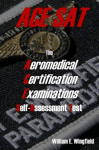
  • ACE SAT: Great resource full of practice questions for the CFRN but also FP-C (for you medics who might be snooping on this post). Get it here.
  • Back To Basics: Critical Care Transport Certification Review: I caution against using this exclusively as it is not comprehensive. There is some things missing but it is a great adjunct to your studying! Get it here.

Programs I Used:

  • I used the FlightBridge ED program, package #2 for this exam. It came with 36 CE hours, multiple review quizzes at the end of each video module, a review test at the end, a review book, and was good for one year after purchase. I felt the content was very easy to understand and Eric Bauer is very approachable. He has good social media presence and encourages people to reach out with questions. Flightbridge has a conference yearly called FAST. Additionally, they have multiple podcasts with great insights. Finally, the good folks there also authored a fantastic book on ventilator management–it really broke down and demystified vents for me. You can find the review programs HERE.
  • Pam Bartley is the “Passologist”. In addition to hosting multiple live courses, she also has a series of study guides for multiple exams. She includes review questions and key points guides and really hits all the highlights of the exam–she really nailed my CFRN exam. I’m pretty sure everything on her study guide was on my test! You can find her HERE. Or for live classes, check here!

Apps!!

  • Not too many good apps out there, unfortunately… Surgical Nursing Reviews from Nursing Pearls on the Apple App Store had a purchasable add-on for the CFRN (1000 questions). I’m not going to lie–I did not find this worth the money. I’d save your time and money, guys.
  • A really good resource though for clinical practice and for studying is called “Critical- Medical Guide” by The Barringer Group (I think this is Apple exclusive–sorry Android-ers). It is on its 15th version and is super up-to date. Great for critical care information, RSI dose calc, pediatric information, etc. It is pay to play–one time fee of 15$ but well worth it!

Useful Classes/Certifications:

  • Neonatal Resuscitation/STABLE Program
  • American Heart Association BLS/ACLS/PALS
  • American Burn Society Advanced Burn Life Support
  • Advanced Trauma Life Support (or Advanced Trauma Care for Nurses [ATCN])
  • Emergency Nursing Pediatric Course


The CEN

So for the CEN, I actually had a live class! My hospital sponsored a live prep class through Jeff Solheim Enterprises. However, I will say it was excellent. I had used one of Jeff’s online modules for my TCRN and much like that, his representative teaching the live class did not disappoint.

Resources I Used:

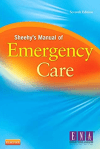
  • Sheehy’s Manual of Emergency Care, 7th ed: If Patient Transport was the bible of CCT, Sheehy’s is the bible of ED care. It is hands down the best book I’ve found for this. Through my career, I have referred back to it time and again. Beyond just prepping for the CEN, I recommend it for any ER nurse as a reference. You can get it here.
  • ENA CEN Review Manual, 5th ed: over a 1,000 questions plus 2 online tests. This book really simulates how questions are asked. I used an older edition but I recommend staying on top of the newer versions. Get it here.
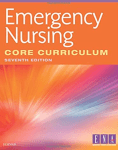
  • ENA Emergency Nurse Core Curriculum, 7th ed: I consider this a very good review guide of the core concepts of emergency nursing. It doesn’t have the depth of Sheehy’s but breaks things down to the need to know for the test. Get it here.

Programs I RECOMMEND:

  • So you’ll recall that I did a LIVE in-person class… not an online one. So if you’re looking for an online one, I have to tell you I did not use one myself for this test. I am recommending Jeff Solheim based on the fact that I used him for TCRN online and I used his live class for CEN.
  • If you use his online class (here), it costs 150$ for a one year access. This is good for 17 CE hours with a 30-day satisfaction guarantee. He also offers a monthly access for 50$ a month. Depending on how fast you study or how long you need access for, a monthly fee could save you a lot of money. He also sells an entire prep manual on his website for 25$ (here). If live courses are more up your alley, here is a list of his dates. Jeff also has an APP and has a great social media presence– his Instagram often will post questions regarding the exams which is awesome for those moments you’re scrolling on the toilet (you nasty….).
  • Again– I am throwing Pam Bartley up here with her excellent packages! (She also has live classes… check dates near you!)

Apps!!

  • As stated about Jeff’s app.
  • Pocket Prep is a great developer who makes prep programs for a variety of tests. The CEN prep was a great resource for questions when I was getting ready for the test. It had a ton of questions, gave me the ability to customize my practice tests depending on what content I wanted to study, gave me rationales and where my areas of weaknesses were. Its awesome, guys! Get it here!

Useful Classes/Certifications:

  • Neonatal Resuscitation/STABLE Program
  • American Heart Association BLS/ACLS/PALS
  • American Burn Society Advanced Burn Life Support
  • Advanced Trauma Life Support (or Advanced Trauma Care for Nurses [ATCN])
  • Emergency Nursing Pediatric Course


CPEN


TCRN


BCEN Practice Tests

At time of this post (2020), BCEN has reduced the cost of the practice test in celebration of “Year of the Nurse”. Where the tests were previously 75$, they are currently 40$ and well worth every penny. Not only do they simulate the exact testing software you will see, they show you how you fare on the tests, show you rationales as well as the references for the rationales you are given. I have attached the links for each of the exams for your convenience.

CEN * CFRN/CTRN * CPEN  * TCRN


So basically thats it! Thats the big secret to how I’ve done it. Really its just a bunch of read and apply. Obviously, this is just my experience. You may have other things that work for you. Try on a few things and see what works for you. I may be speaking completely out of turn for what works for you–thats ok! But hopefully I found a few jumping points for you to start.

Certification is awesome. It is not easy by any stretch of the imagination but the feeling of holding that printout after the test is amazing and when the package with your certificate comes in the mail a few weeks later and the awe washes over you again… there is nothing like it. You earned it.

Clear skies and tail winds, friends! Best of luck and as always, let me know if you have questions or requests!


Do you have any recommendations for resources? What worked for you? Drop a comment on this post to share your study techniques with your peers or share what programs or resources you liked!


I See You…

Hey you…

I see you. Sitting on your dorm room bed, second day hair, blinking repeatedly because that drugstore waterproof mascara that they said wouldn’t flake is flaking in your eye. You keep hitting next on Pandora but your skips are out because who wants to pay for that, I mean really? Books are everywhere. Clothes are everywhere. There is a fast food bag from some time last week peeking at your disapprovingly from your garbage can.  This wasn’t in that sleek brochure they gave you at open house, senior year in high school. Your friend from a university two hours away is supposed to visit this week but you can’t make the numbers work as you stare at your perfectly organized agenda–color coded of course. The information on the pages you stare at is blending together. How could this instructor expect you to really learn all the bones and every lump/bump/groove and physis AND every muscle with its function and origin/insertion in just two weeks? Doesn’t he know you have math homework and paper for English? At least that Public Speaking thing is done…even if you did drop an F bomb when your PowerPoint crashed. It’s suffocating.  You should probably shower–not because you smell but because every minute you sit and become disheartened by the material, your self-esteem drops. You question why you’re doing this. The nurses at mom’s hospital looked so calm and collected; there is NO WAY they sat in crusty ankle socks (because of course the washers were all occupied during the ONLY free time you had to do laundry yesterday) with 16 missed notifications from a myrid of social media accounts (“COME OUT! We’re going for tacos!”), and a room mate who has been dropping snide remarks about living in an episode of Hoarders. But that nurse seemed to know what was going on and she was patient with mom. How will you ever make it for three more years of this?

fleur-de-lis-lee-gray

I see you. At the fire house in the kitchen. Half eaten Subway sandwich left neglected, cooling. A meatball attempting to elope from the wrapper lest it disappear down your gullet. There are empty bottles of Mountain Dew all over. The guys are in the lounge laughing as they play whatever new FPS is trending; you can hear them ribbing each other and a few expletives flying around, maybe a loud thump. Who knows what that was. You had to head to soccer right after school let out but you had planned to study for your NREMT exam at the fire house because your brothers and sisters keep bothering you. So now you sit, trying to focus. “A-B-C…. Scene Safe… Nitroglycerin, Aspirin, Oxygen, Transport…” but your heart drags you back into the lounge where the guys are relaxing. They worked all day and came down to hang out. You were hoping to bang this out before they got here. You got another question wrong in your prep book. You went over this material two weeks ago–why can’t you remember it?! The township is volunteer based in the middle of the state. Numbers are down. Your dad is a Captain at the company and wanted you to follow in his footsteps. Surrounding companies are shuttering their doors all over, there just are not enough people willing to volunteer anymore. But you wanted to help. You saw a need and wanted to step up for a little while. Mom has been getting your case about padding your application with some clubs to go to college. College didn’t really interest you but there was a trade school an hour away that offers welding. Right now though, you just need to survive this test. Then finish that physics project. Your pager goes off: vehicle accident with fluids on the roadway. You sigh as you stand up. You know the older guys will need help on the scene and the junior firefighters usually help. The studying will have to wait. How can you hope to pass this test?

fleur-de-lis-lee-gray

I see you. You were harassed again in the grocery store for using food assistance by a woman behind you. She criticized the fact you had a new phone. The phone was a gift from your dad because you needed to coordinate your children’s lives. He was generous. You know the youngest won’t like dinner tonight but it is quick to throw together before the sitter comes over. You’re going out. The community college has night classes every Tuesday and Thursday for Respiratory Therapy. It took you two years to work up the courage to enroll. How can a 42-year old mother of two hope to go through a drastic career change? You remember when the big kid was a baby. Born premature with immature lungs. That Respiratory Therapist explained everything to you. You didn’t know much about health or babies or lungs. He was kind. And your warehouse job was in jeopardy. Potentially closing that facility.  It has changed hands twice and the news is dismal. You knew it was hard work two years ago but three months ago when you enrolled, you knew you did not have much choice. You loud your groceries in the car and get in. You wince as it makes THAT noise again. But finances aren’t there for this. You can’t do this right now. The big kid wanted to try the cello–the rental fees seemed asinine but the school helped a little. It still hurt. You didn’t want to deny the opportunities. Do they know the sacrifices are meant to secure their future?  It’s that woman again. She’s sitting next to you at the red light in her two year old Honda. She’s talking on her phone. No doubt telling her friend or family member about that woman using the system. You rest your head on the steering wheel, hold back a sob. A honk blares from behind you–the light is green. Can you survive this?

fleur-de-lis-lee-gray

I see you. There is a smile on your face. A paper in your hand. Your name is bold printed as if to scream “YOU DID IT!” It doesn’t feel real. The journey almost defeated you. It took so much from you that you almost lost sight of what it could give. You interviewed recently. There was an offer made quickly contingent on this piece of paper. You smooth out a wrinkle in the corner from the shipping envelope. This is it. The worries. The stress. The self-doubt. That little wrinkle. Smoothed away. It was so small in the grand scheme–the whole rest of the paper is immaculate and grand. But the wrinkle is still barely visible, as if a badge of honor to show you survived. Most won’t ever notice its there, but you do. You know it exists. But over time, eventually it fade into the larger image and your eyes won’t pull towards it quite as much. I see you–you made it. You.

fleur-de-lis-lee-gray

Whatever your reason for seeking a profession in healthcare, just know it won’t be easy. However, the things that are worth it will never be easy and the things that are easy will never be worth it. People are drawn to healthcare because of exposure to providers who have cared for their loved ones, what they see on TV, to fulfill family legacies, to service a higher purpose, or because a healthcare worker made a difference in their lives. They often see the end result of long periods of hard work. They don’t see the blood, sweat, and tears as well as the sacrifices (friends, time with family, social events, personal grooming!, giving up jobs to go to school) that those healthcare workers went through to get to where they are. It breaks a lot of people and they drop out of their respectful programs. But what I want you to know, friends, is that you can and will survive. This too shall pass. There is an end and that end is a glorious thing. Our careers aren’t always rainbows and sunshine, there is still hardships that arise. However, our work matters. You matter. We want you here. And when you’re finished, all the hard work and sacrifices will shape you into a stronger person. Like that piece of paper they may stay with you, but they are smaller in comparison to the greater thing you have achieved.

So to you who are sad, who are mad, who are hopeless/helpless, and about to give up. Keep pushing. Ask for help if you need to. Take care of your well being as well. Learn to say no to obligations if it means your mental health is protected. At the end of the day, you are your most important entity. All things you do spiral outwards from yourself.


You CAN do this and you WILL do this.

And we can’t wait for you to join our team.


-Clear skies and tail winds.

So, You Wanna Be A Flight Nurse: The Sequel.

Scene: “The Interview”

So if you’re here, it’s for one of a few reasons…

  1. You read my first blog post “So You Wanna Be A Flight Nurse?” where I outlined my journey from start to “finish” of getting into a flight suit with “Flight Nurse” on my badge.
  2. You were driven here by my Instagram account @Pyrovixi where I share my career, my love of travel, my dogs, occasionally the man who puts up with my crap and feeds me (shout out to Chris!), and overall live the fabulous life of an InstaCeleb (at least I play one on TV).
  3. A search engine deposited you in my tender loving care because you scored your first (or fifth) flight nurse interview and you wanted to prepare for it. I relate–I googled “Flight Nurse Interview” once and didn’t come up with anything specific.

Well… welcome. I’m glad you’re here. Make yourself at home. I’d offer you a drink but well this is the internet and my jokes are tired AF to be honest. Scoring your interview was a huge obstacle to overcome and regardless of your outcome you need to be very proud of that fact. Not only did you meet the requirements to be entertained but you slayed the human resource’s beast guarding the gates of your future. I cannot tell you how many bright and high-potential people I’ve seen be weeded out because of clerical errors and automated systems. So you did well! Moment of silence for you to bask in that awesomeness!

So before I get into the meat and potatoes (or salad and vegan alternative meats for my plant-based friends) of the matter, I want to make sure I am transparent. I am by no means an expert in human resources, flight nursing, or really ANYTHING. I have been successful in life by a series of trial and error situations, good networking, persistance in the face of adversity, and by continued education. My nursing career is still young (at the time of writing this I have been a nurse for just under 6 years and a flight nurse just over a year). But I have the wisdom bestowed upon me by those who are much more experienced than me that I want to pay forward as well as my own personal experiences. Do not feel obligated to take my word as the end-all-be-all and use your own judgement when evaluating my statements.

In this post, I also may offer some tips that come off super commonsense for interviewing but when you read articles about interviewing, evaluators will states that the most commonsense things will often be the most overlooked by interviewees. Further, it’s not meant to sound redundant but act as simple reminders before you go in. Hopefully there are some new things you take out of this!

I think I’ve done enough prefacing. Let’s jump in!


Screen Shot 2020-01-20 at 10.11.27 PM


Do Your Research Before the Interview!

You probably know about the agency you applied to. You may have a friend who works for them or have heard about them in the media or seen them on Facebook. However, did you take a few moments to scroll through their “About” page on their website? If you were asked “what is ABC Med Flight’s mission statement and can you discuss their values?” would you be able to talk about it? If not, you were underprepared. It really is important to understand the meaning of the work you say you want to do when you’re pleading your case to your interviewers. Incorporating their buzzwords into your interviewer shows you align with their end goals and make you more marketable. I try to look for these things before I interview so that I look like a candidate that will mesh with the company.

I also like to try to know a tiny excerpt of history about the agency as well as their current status. These are all usually searchable online. A lot of agencies post their service areas on-line and well as the background of their company.

If you know someone in the agency, ask them about their interviews. It’s not really some big industry secret. One interview I went to was an interview followed by a medical simulation then a trauma simulation. Another was a basic knowledge assessment followed by an interview then if you did well a second interview where you completed a simulation with the leadership team. So knowing what you are walking into can help you leaps and bounds. Interviewers may tell you upfront what to expect but it never hurts to ask. I know I helped someone in our agency by telling him about my experience. Depending on the agency’s policies, you may be able to get a copy of their protocols to help you prepare for your interview.

Take a Moment for Self Reflection–Before You’re Put On The Spot.

Interviewers are going to be curious about how you handle things and who you are. Your resume gives them your certificates and your job history but no real insight on the personal growth factor those things entailed. So sit down and brain storm the following:

  1. What are your strengths? I personally like to avoid “I’m really nice!” Well that is important please don’t get me wrong but nice doesn’t save people, to be blunt. No one ever came back from a trauma arrest because we told them they had a nice smile. I usually encourage people to focus on their abilities to adapt to change. The critical care transport environment is one where patients just REFUSE to stay nice and stable (how rude!). However it’s also the weather, wildlife, bystanders, the spinning rotor blades of death we motor around in, other healthcare workers, and a million other factors that throw wrenches into our cogs and we need to be able to continue to function around these. But it isn’t just on flights. You need to have the ability to adapt with the changes in medicine–I know since I’ve started, I’ve seen a great deal of change in my program. I’m proud to say I was around for the implementation of the blood program but it was a challenge. The requirements are never static and thus, neither should we be. So when you’re laying out your strengths consider what would benefit the company, the patient and their families, your new coworkers, and the agencies we will be working with (EMS/Fire/Rescue/Police and other hospitals): critical thinking, assertiveness, enthusiasm/drive, reliability, and customer service. The final thing I really want to emphasize is this: if it isn’t a strength already make it one… ATTENTION TO SAFETY. Aviation has inherent dangers that we make every attempt to mitigate through our combined efforts of many individuals. It requires consistent vigilance and complacency can kill you and if it hasn’t yet it will eventually. Every few weeks we hear reports about another aviation mishap so having a respect for safety is a foundation strength; I don’t say this to scare you away because many companies have strong emphasis on safety (I recommend you check out the ECHO Heliops Community if you’re curious about aviation and safety–if the agency you’re interested in is on their radar, you may want to re-evaluate your options).
  2. What are your weakness? I think everyone is pretty wary of talking about these. I mean, who really wants a light shown on their shortcomings? We all want to be picture perfect people performing perfectly. However I really encourage you to admit these! It shows you have good self-awareness but also humility. Arrogant people are dangerous–if you know everything, you are less receptive to other’s input and in critical care transport that is a recipe for absolute disaster. So you came up with some weaknesses (“I lack neonatal experience; I’m no confident with obstetrics; I didn’t see a lot of ventilators”) and are probably thinking that will disqualify you. I want to reassure you that very few people without flight experience come 100% prepared and flight programs have training plans to address this. So be transparent and tell your interviewers–it isn’t a personality flaw and is a workable issue. I also recommend that you follow up every weakness with a proposed plan to tackle it. So going into the interview for this job,  I knew my weaknesses and explained that I planned to do more studying on the topics, listen to podcasts, and asked to shadow on units pertaining to that subject. I was actually surprised to learn it was part of my orientation anyway. So own your weaknesses!
  3. Remember a time when you were challenged as a nurse (this one I usually try to think of a complex pathology, a difficult family member, a coworker with an ethical issue, how I overcame a personal struggle with an emotionally taxing patient, how I worked without enough resources). Use this question to demonstrate your ability to be resilient and creative. It is a question they use to assess your ability to handle stress and overcome using your intellect.
  4. If you noticed a coworker was tired or came to work smelling like alcohol or was diverting narcotics or any form of this question… always reflect on how this would affect the safety of the crew. See rambling discussion above about safety. If anything ever puts you, your crew mates, your patient in any danger, err on the side of safety: speak up, cease the action, intervene if necessary, and if all else fails, involve your leadership. And after your interview: remember these things, don’t just say it and forget it!
  5. Why do you want to do this? Awww! This is my favorite and maybe it is because I’m not all salty and burnt out yet but my reasons bring tears to my eyes. If your reasons don’t move your soul and/or inspire and excite you, perhaps you have the wrong reasons. I really, really, really stress this: DO NOT say because it would be cool to wear a flight suit and fly in a helicopter. We all know that haha. But it is a vapid reason. Too many times I get sweet little nursing students who message me about this and say how they want to wear a flight suit or be a flight nurse so they could putz around in The Bird©. Focus on your personal growth/new challenge, the working with the sickest patients, join a team of like-minded/education-aggressive individuals… Think outside the box because there are probably three more applicants with the same reasons as you–make yours memorable.

Have Questions Prepared for Your Interviewers!

At the end of interviews, applicants are asked “Do you have any questions?” This is your chance to get them asked. In the days or weeks leading up to your interview, think up everything you want to know about the job. How do the shifts work, what happens if pilots/crew members call off (are you moved to another base?), what opportunities are there for public outreach or education, does this agency participate in mission trips or disaster quick response, are there opportunities to assist with projects in the agency, or are there any research projects the company is participating in? What do a majority of their calls consist of? Medical/trauma, adult/ped, scene flight/interfacility transport?

Don’t be afraid to ask about their safety practices. Do they participate in “3 to go, 1 to say no” practices? Do they operate at FAA weather minimums or do they have more rigorous standards? Do they offer safety and survival training? How is their safety record? What are they doing to ensure the safest practices for their crews and patients? (Dual engine helicopters, night vision goggles, flight tracking softwares).

But most importantly, ask if they are CAMTS accredited. If they are, are they expecting to? How do they ensure staff are maintaining CAMTS mandated proficiencies? How does their education work? What do they do to ensure staff are staying up to date with the the changes in medicine?

Write your questions down as they come up. Some may answer themselves in your interview but at least you show you’re interested! Do not skimp on asking about safety–its a hot topic in aviation and if your interviewers seem shy about it, that should be a red flag to you. Transparent, safety conscious companies will be up front with you about their practices.

Medical Knowledge: Some Things You May Want to Know

I’m going to through some things up here but ultimately flight systems can vary so much I can not give you a comprehensive prep list. My recommendation is you check out the Board of Certification of Emergency Nursing’s Content Outline for the Certified Flight Registered Nurse because its a very good list of major topics we encounter.

My recommendations:

  • STEMIs (Inferior/Posterior) and Rhythm Interpretation/Management
  • Strokes (ICH/CVA, BP Management)
  • Sepsis
  • High-Risk Obstetrics (Use of Magnesium)
  • Trauma Management
  • Know your state EMS protocols–usually accessible online
  • Come being able to do dosage calculation, calculate drip rates… good refresher here and here!

I recommend this great app if you’re looking to grow your knowledge of critical care–it is called CRITICAL and does cost money to use but it is well worth its weight in gold. I currently could only find it for Iphones so I apologize for Android users.

app-store-logo@2x

DOOMSDAY! Just Kidding: Day of The Interview

So by now you know what to wear to these things, so I’ll save the talk on that 🙂

However some little things that get looked over are the following:

  • Eat a light breakfast or lunch–enough to satisfy any hunger and ward off any stomach growls/sugar crashes but not enough that you may have to consider a bathroom break during your interview or leaves you in a brain fog (remember going to class after a carb-heavy lunch?)
  • Show up 10-15 minutes early.
  • Have at least 5 copies of your resume printed, one side only on decent paper (they have the electronic format but I’ve been complimented many times on my preparedness and thoughtfulness).
  • Bring a note pad and pen with you to take notes.
  • Start the day with positive thoughts and if you can remind yourself to, smile throughout the day–there are a lot of studies that show that it sets you up for a better mood.
  • Immediately before your interview try to take a series of deep breaths, clear your mind of the possibility of not being successful, and relax your shoulders.

In The Interview

This is it! Dun dun duuuuunnnnnnnn. So now that you’ve done all the prep, spit out your gum (before you got there, obviously), ditched your coffee, and brought your resumes you enter the Chamber of Destiny (any fantasy fans out there?)

Likely the individual retrieving you will introduce you to the group. However, make sure when you first speak, it is to introduce yourself. Remember to greet every interviewer with a handshake, making eye contact, and thank them for their time. This is your opportunity to offer copies of your resume but don’t be offended if they decline, they may have one already. If they don’t, provide one. Then you can refer to items on it throughout your interview and they have a small reminder of your existence at the end of the day after they conclude other interviews.

As you speak, sweep your eyes across your interviewers and be sure to smile. If you’re on a phone interview, remember to smile! It sounds cheesy but your voice changes when you don’t and it can make you sound more approachable and relaxed. Try to commit their names to memory and if you answer a question one has asked you, try to start your answer with their name. Example, the female interviewer is named Karen (because they are always Karen, am I right?!) and she asked about your last job: “I’m glad you asked, Karen….” This also prompts me to say: while it isn’t unreasonable to identify weaknesses your last job may have had, I would avoid condemning it or sounding condescending about it. There is a way to frame these things politically correct so always come out on the high road– interviewers may be made to thought “if they talked about their old job this way, how will they talk about us?”

You’ve prepared the hard self-reflection questions already so those should be easy by now! Highlight that you can operate alone and as a team mate. Make sure you discuss how you feel confident in your knowledge but also realize you have a lot to learn, recognize that you don’t know what you don’t know but know how to utilize your resources (protocols, experience, partners, other agency providers) and your medical command. It shows you’re competent and confident as a provider but also humble and not a cowboy. Be willing to learn, willing to help. Also willing to stand by to decisions when it comes to safety—- that is HUGE in aviation. Safety of the crew is 100%.

Something that came up for me that tricked me up was the question “Who are our customers?” Well of course they’re our patients! Right? Yes and no. We also have to consider the facilities we go into and work with. In my interview I literally felt so goofy–of course! Bad interactions with other facilities reflects poorly on the whole organization. My director said it best and it has stuck with me since–the flight suit represents quality and we have to always be aware that people expect that (paraphrased). Hospitals have the ability to call other flight services or ground services (some places don’t have many because they are rural but still) but they make a choice to use yours; this is not something we should take lightly. Losing the trust of a facility means we may not go back. It may mean utilization of another flight service who may not be as good or may be more expensive and consider how that may effect our patients but also, its not good for our company’s bottomline. While I don’t like to think about making money off of sick people I also recognize the reality that we operate and have the ability to do so because we can afford to.

So now you have the opportunity to wrap up the loose ends of the interview! Make sure you clarify anything you might have said that might have you cringing now (example: I once said something about working with new grad nurses… it wasn’t that I disliked them and when I was talking later, I realized the context was lacking when I discussed it earlier. I’m glad I circled back because the impression the original statement left was not the one I intended). Ask the questions you prepared. And finally, ask for business cards!!! If they do not have them, ask if they would be willing to provide emails for follow-up questions.

Again shake the hand of every interviewer for their time and consideration, looking them in the eye with a smile. I like to throw the “I hope the next time we meet is when I am beginning my training but regardless I appreciate the opportunity to have been here today.” I think conveying confidence and excitement/hope with being realistic and grateful is a good blend of human emotion and social interaction.

After The Interview

Alright! Go you! Not only did you survive the interview, you survived 3,340 words of this blog post (:

Now is the time to relax and reflect. Every interview is potentially practice for the next. What went well? What didn’t? File it away. We always hope we’ll never need to interview again because we got our dream job but approaching this with realism is tactful and responsible. Interviewing is a skill and like any other skill, it requires practice. I know I was cruddy at foley catheters for a long time but eventually I hit the right hole! Interviewing is kind of like that–eventually you kind of just fall into the right hole.

Within 24-hours, I recommend pulling out those business cards or the list of emails and composing thank you emails. Generally I like to take the opportunity to highlight the major key points of the interview, reiterate why I feel I am a good fit for the position, as well as include any things I may have forgot to mention and other questions I might have had. Conclude with a thank you for the time the interviewers provided and another statement that you will hope to speak to them again moving forward.

Now hurry up and wait, ya’ll!


Screen Shot 2020-01-21 at 12.36.31 AM


If you’re applying for a flight job, chances are you have a few interviews under your belt. And realistically, you probably had this all on your own if you were out researching how to prepare–because the kind of people who get hired and thrive in flight are the types who want to be the best and put in effort.


Finally I want to end my post with a quote posted in our base:

LIVE YOUR INTERVIEW

DO WHAT YOU SAID YOU WOULD

It’s one thing to say all the right things but just make sure you follow through–our work matters and people will look differently at you when the flight suit goes on. Be cognizant and never forget what you said.

Clear skies and tail winds, friends!


Did you use this blog to get a flight job? Please leave a comment if you used this post in an interview and how your interview went! I am vested in the success of future flight nurses and would love to continue to develop this for future readers. Suggestions and honest feed back is greatly welcomed.